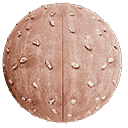
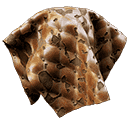
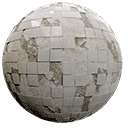
Paper textures are among the most versatile and timeless digital materials used across various creative disciplines. Whether you're crafting a realistic 3D scene, designing UI/UX elements, creating graphic design assets, or building atmospheric environments for games and films, paper textures provide warmth, texture, and a tactile touch that enhances visual storytelling.
At LotPixel, we offer a curated collection of high-quality, seamless, and PBR-ready paper textures, carefully designed to replicate real-world surfaces such as notebook paper, old parchment, crumpled sheets, recycled fibers, craft paper, and more. Our textures are perfect for both realistic and stylized designs and are compatible with all major 3D software, game engines, and 2D graphic platforms.
Unlike purely digital materials, paper carries a unique analog quality—imperfect, organic, and human. It evokes familiarity, softness, and physicality. From the subtle grain of watercolor paper to the cracks of antique scrolls, paper textures bring life and depth to:
Thanks to their flexible look and broad compatibility, paper textures can be used across many domains:
LotPixel paper textures are ready to use with:
What sets our paper textures apart is the care taken in capturing the micro-details that make paper feel real. The tiny fibers, the way the light diffuses across the surface, the subtle discoloration at the edges, and even the pressure marks left by imagined pens or folds—all of these elements come together to create textures that respond organically in rendering environments. These textures are particularly useful in projects where atmosphere is everything. A minimalist UI design that uses a faint recycled paper grain can feel more tactile and emotionally grounded. A product mockup for skincare or artisanal packaging takes on a more natural and sustainable tone with the presence of a subtle craft paper base. In architectural visualizations, the presence of books, notes, calendars, or even torn sticky notes created using real-looking paper textures can inject life and narrative into sterile interiors. Even in fantasy or sci-fi games, paper finds its place—in maps, letters, spell scrolls, classified documents, warning signs. It's everywhere, and the more believable your paper looks, the more immersive your world becomes.
One of the standout features in LotPixel's paper texture production process is the use of photometric stereo scanning, a technique that captures minute surface variations using multiple light angles. While traditional texture photography only records color and shadow, photometric stereo captures actual surface geometry, allowing us to extract incredibly accurate normal and height maps. This is especially valuable for a material like paper, where the tiniest crease, pressed fiber, or lifted edge can change how it looks and feels under light. Thanks to this method, our textures don't just simulate surface irregularities—they accurately replicate the physical topography of real paper, resulting in lifelike renders that respond naturally to dynamic lighting in 3D scenes.
Using photometric stereo, we're able to deliver true-depth paper textures with an added sense of realism that flat textures simply can't match. When you zoom into one of our towel-folded or crumpled-paper surfaces, you'll notice how light rolls across the microscopic ridges and valleys, just as it would in real life. Whether you're working in Blender with real-time lighting or exporting renders in Unreal Engine or Octane, the difference is visible—not only in quality, but in emotional believability. This scanning technique is part of our commitment to bringing real-world imperfections into digital design in a way that feels both artistic and technically precise.