Industry articles should not be empty trend writing. Use this category for broader topics that still connect back to practical asset, material and pipeline decisions in CGI, VFX, ArchViz, games, product visualization and digital production. Every article should leave the reader with a production insight.
 Industry
Discover how 3D product animation works, why brands are adopting CGI, and how high-quality PBR textures help create realistic product visuals.
 Tutorials
Discover how ground stone and volcanic rock surfaces can improve your 3D workflow. A modern approach to faster scene building using scanned textures and 3D models.
 Materials
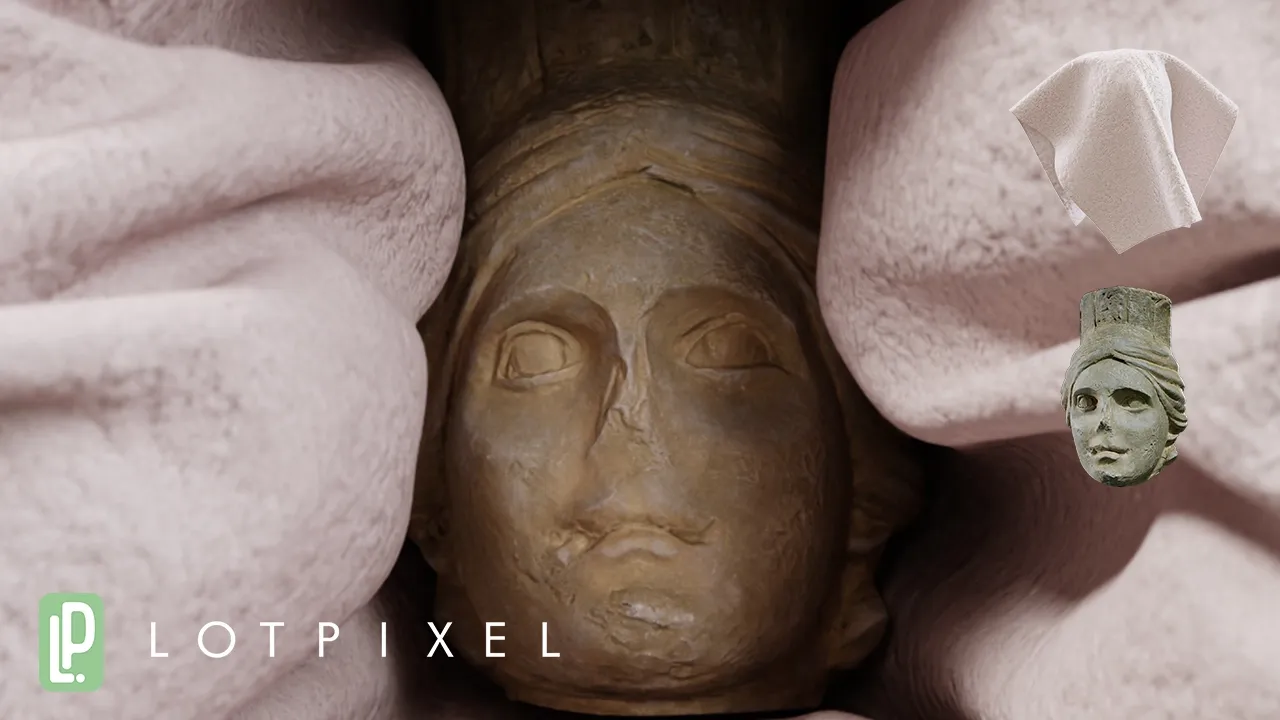
A practical guide to achieving realistic fabric surfaces in Blender using cloth simulation, subdivision, and high-quality fabric textures.
 Materials
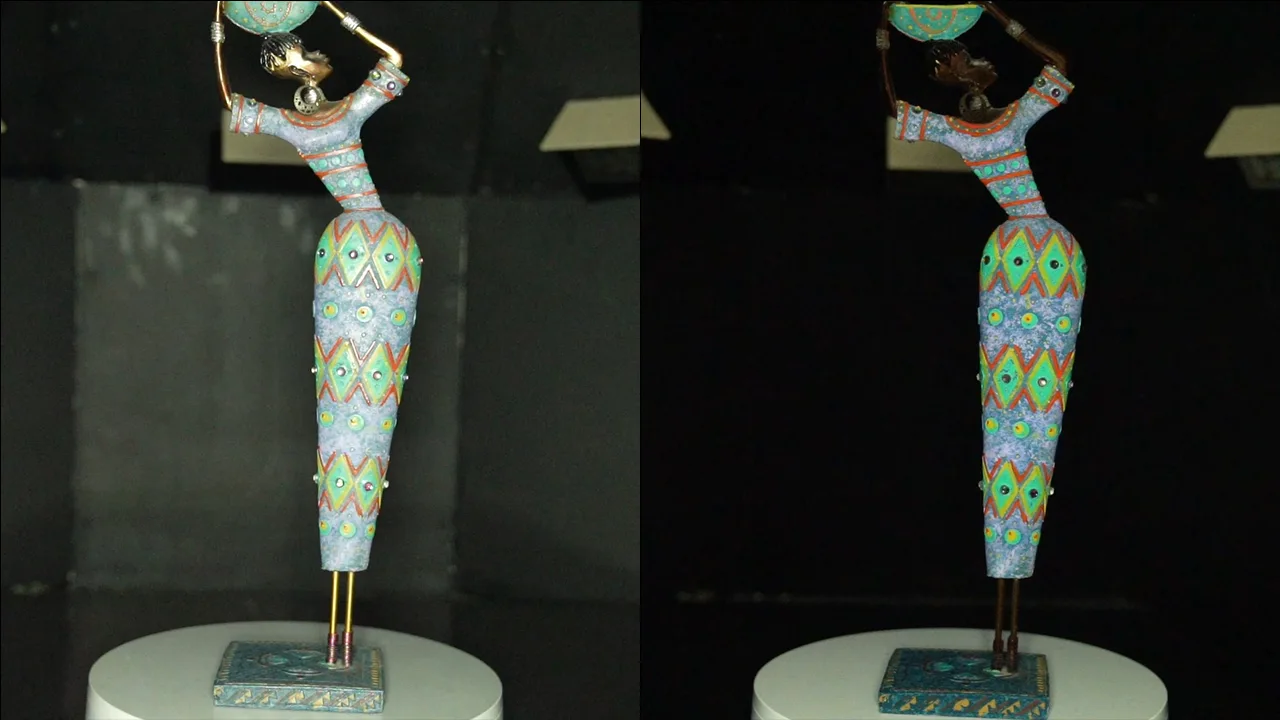
A detailed guide for 3D artists, VFX professionals, and photogrammetry experts. Discover how cross polarization helps capture glare-free textures and boosts material accuracy.
 Industry
Why are VFX studios shutting down? What's behind the drop in CGI quality? In this blog, we explore the industry's structural problems and the key role of 8K textures in visual realism.
 Materials
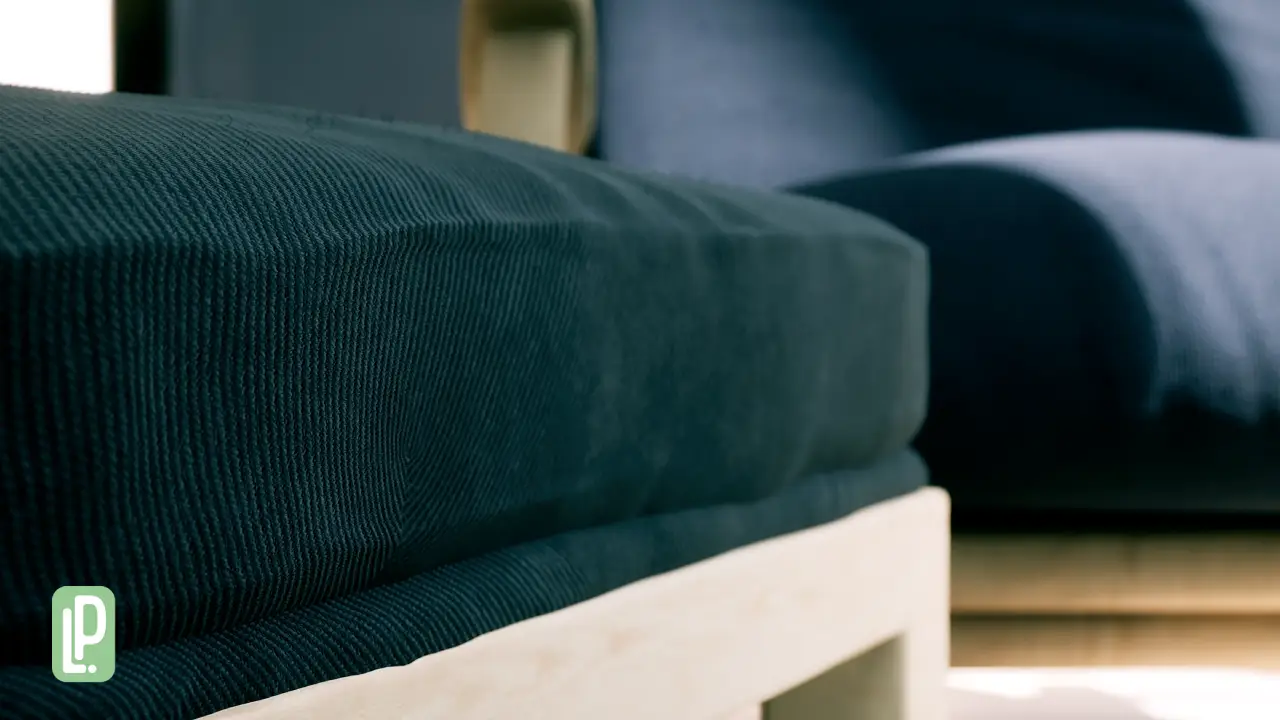
Discover how fabric textures like cotton, velvet, and wool can bring warmth and realism to your digital designs. Explore tips for using seamless textures in architecture, games, and product renders
 Materials
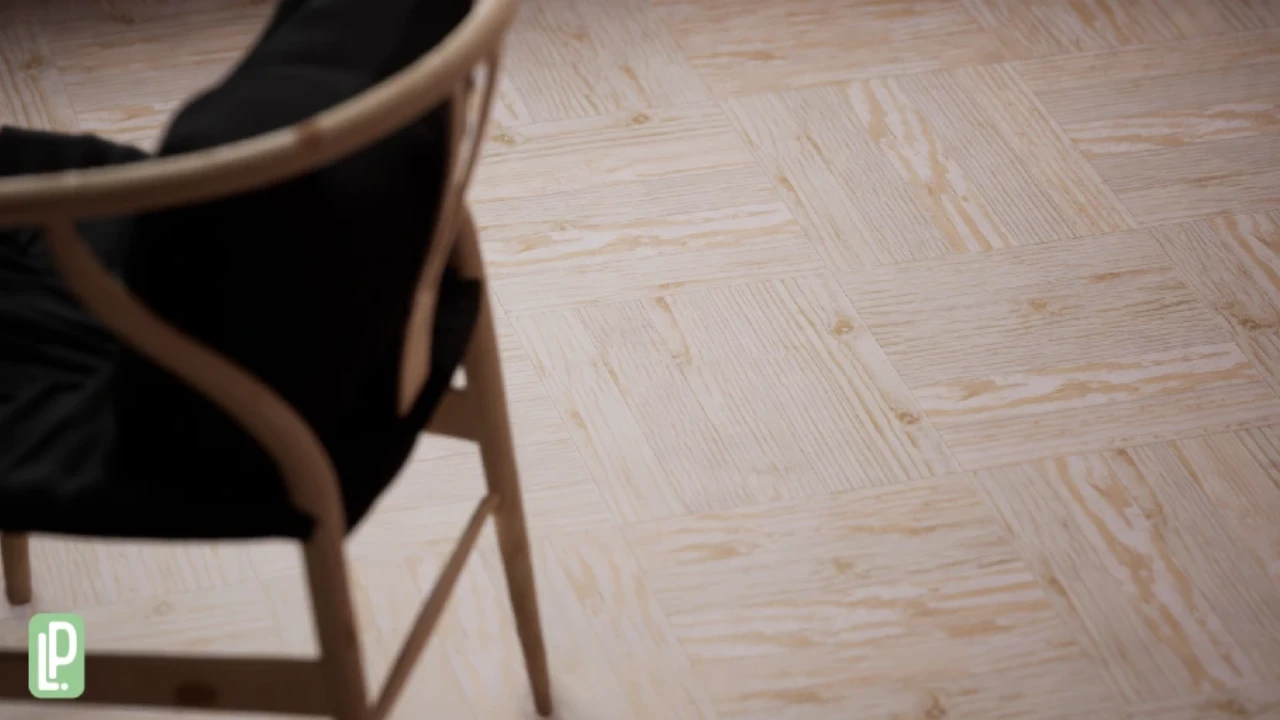
Discover how wood textures bring warmth and realism to digital designs. Learn about wood flooring, wall wood, and wood panel textures, and how they can enhance architectural, game, and product rendering projects.
 Materials
Explore the power of stone textures in digital design! Learn how to use stone floor textures, wall stone textures, and sidewalk textures to add realism to architectural, game, and VFX projects. Discover tips and tricks for using textures of stone effectively in Blender.
 Materials
Discover the versatility and realism of metal textures in digital design! Learn how architects, game developers, and VFX artists can use brushed, rusty, steel, and gold metal textures to enhance their projects.
 Materials
Learn how photogrammetry-based textures are made, from capturing high-resolution photos to processing them into realistic 3D textures.
 Materials
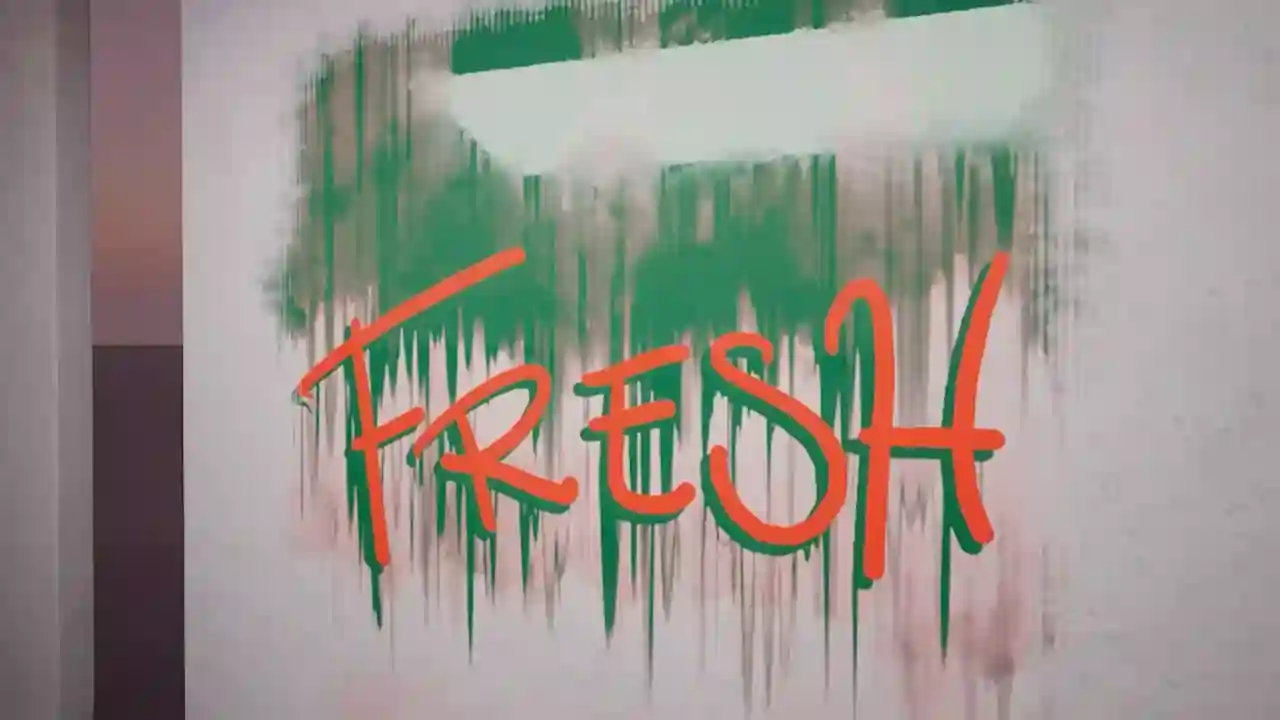
Incorporating decals into interior design has become an innovative and dynamic trend that offers a flexible and cost-effective way to transform spaces. Decal meaning, which are adhesive graphics or designs, allow for quick and easy updates to walls, furniture, and even floors. The versatility of decals means they can range from intricate patterns to bold statements, making them suitable for various design styles. Current trends showcase a preference for nature-inspired motifs, geometric patterns, and intricate mandalas, bringing a fresh and personalized touch to interiors. When using decals in interior design, it's essential to consider the color scheme, scale, and placement to ensure a harmonious integration with the existing decor. The ability to experiment and change decal works with minimal effort adds an element of creative freedom, empowering individuals to curate their spaces in alignment with evolving preferences. You can access our decal library.
 Industry
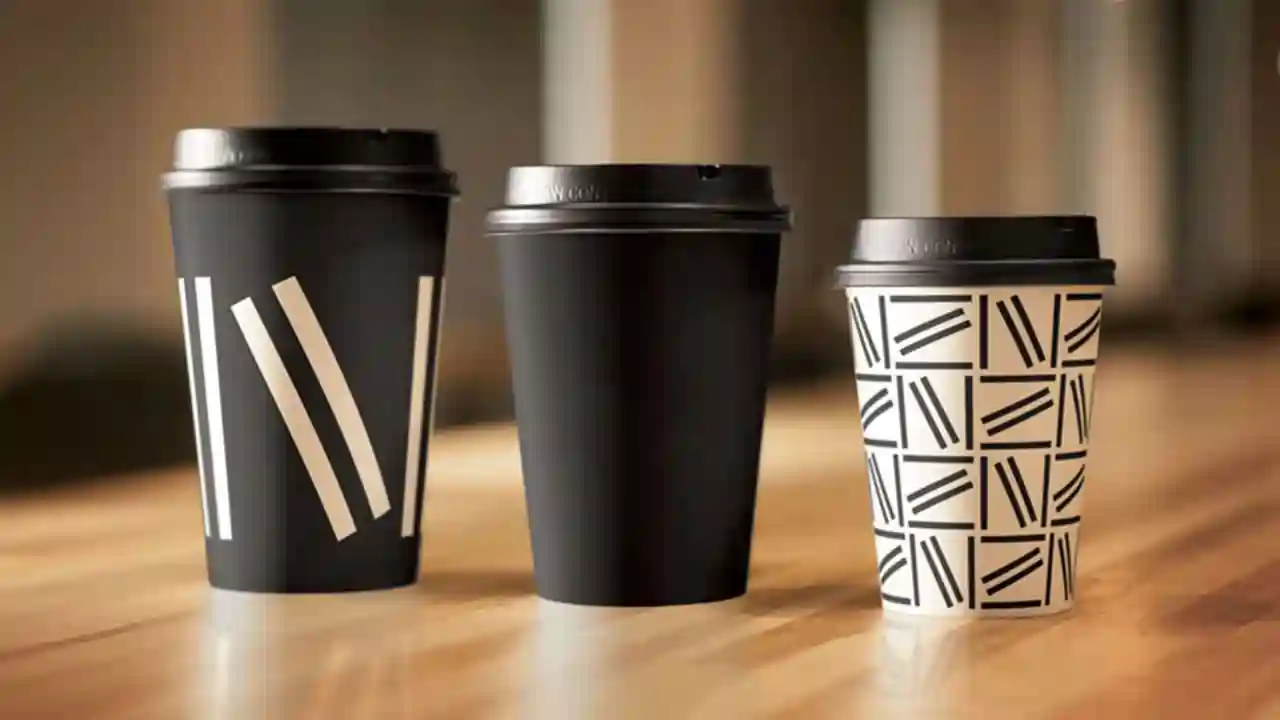
Textures play an integral role in shaping brand identity and packaging design, extending beyond mere visual aesthetics to engage the senses and communicate brand values. The tactile dimension introduced by pbr textures enhances the overall consumer experience, making it more memorable and immersive. A wood texture surface on packaging immediately captures attention and encourages interaction. This engagement establishes a deeper connection between the consumer and the product, fostering a sense of curiosity and exploration. Textures can evoke specific emotions and perceptions. A sleek and smooth texture can convey modernity and sophistication, while a rough and organic pbr texture might evoke authenticity and naturalness. By carefully selecting pbr textures, brands can subtly influence how their products are perceived.