CGI and VFX content should focus on what makes final images hold up under close inspection. Cover asset quality, material detail, render decisions, scene scale, product visuals and pipeline problems. The strongest articles in this category should connect realistic LotPixel assets to actual output quality.
 Industry
Discover how 3D product animation works, why brands are adopting CGI, and how high-quality PBR textures help create realistic product visuals.
 Materials
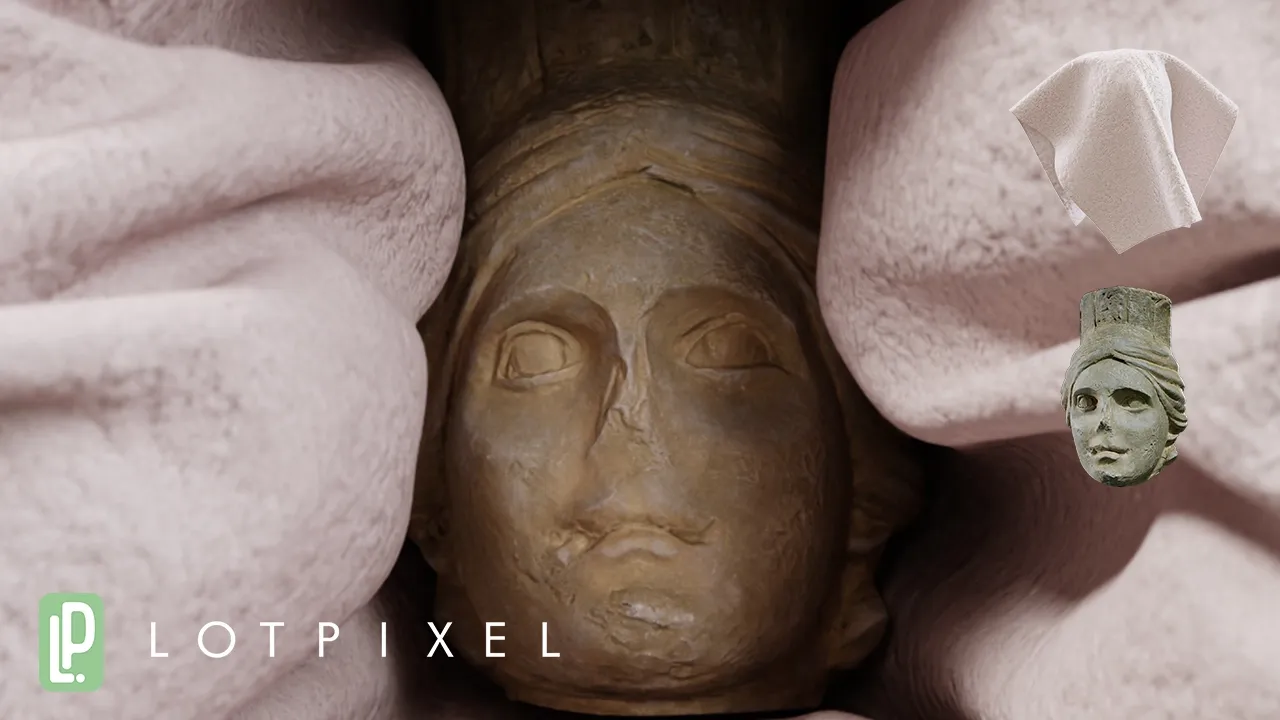
A practical guide to achieving realistic fabric surfaces in Blender using cloth simulation, subdivision, and high-quality fabric textures.
 Materials
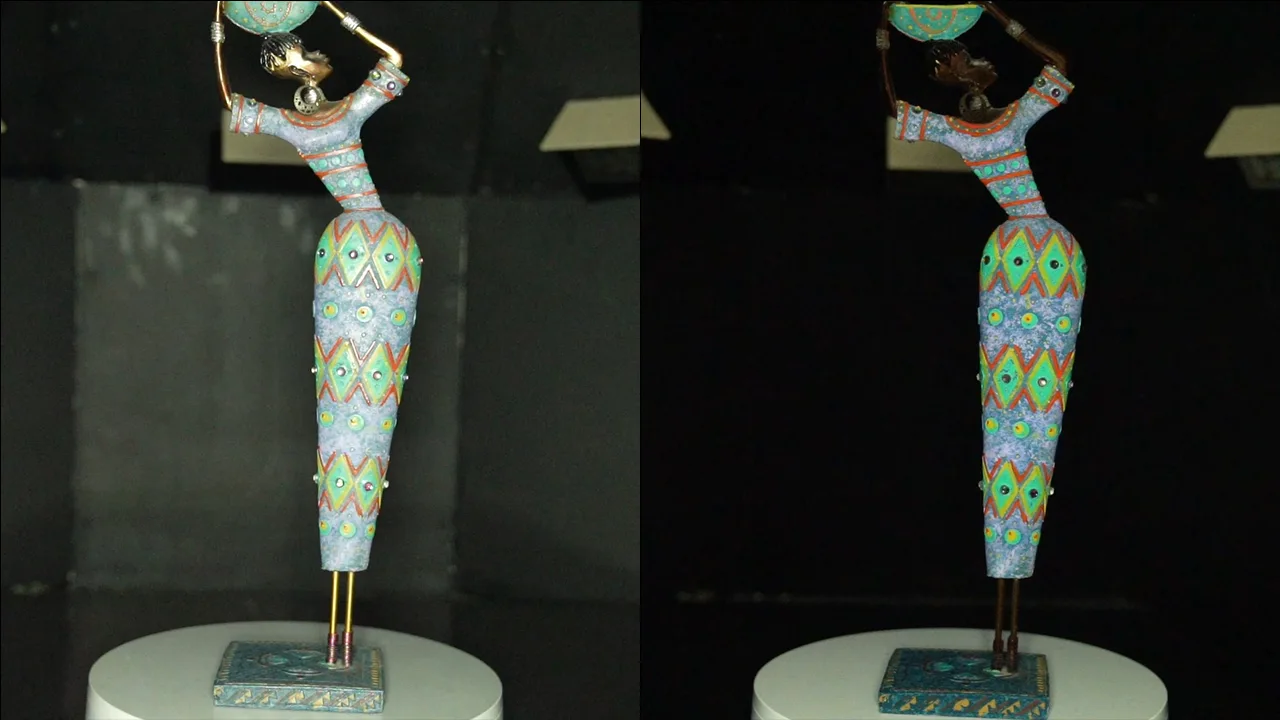
A detailed guide for 3D artists, VFX professionals, and photogrammetry experts. Discover how cross polarization helps capture glare-free textures and boosts material accuracy.
 Industry
Why are VFX studios shutting down? What's behind the drop in CGI quality? In this blog, we explore the industry's structural problems and the key role of 8K textures in visual realism.
 Materials
Discover the versatility and realism of metal textures in digital design! Learn how architects, game developers, and VFX artists can use brushed, rusty, steel, and gold metal textures to enhance their projects.
 Industry
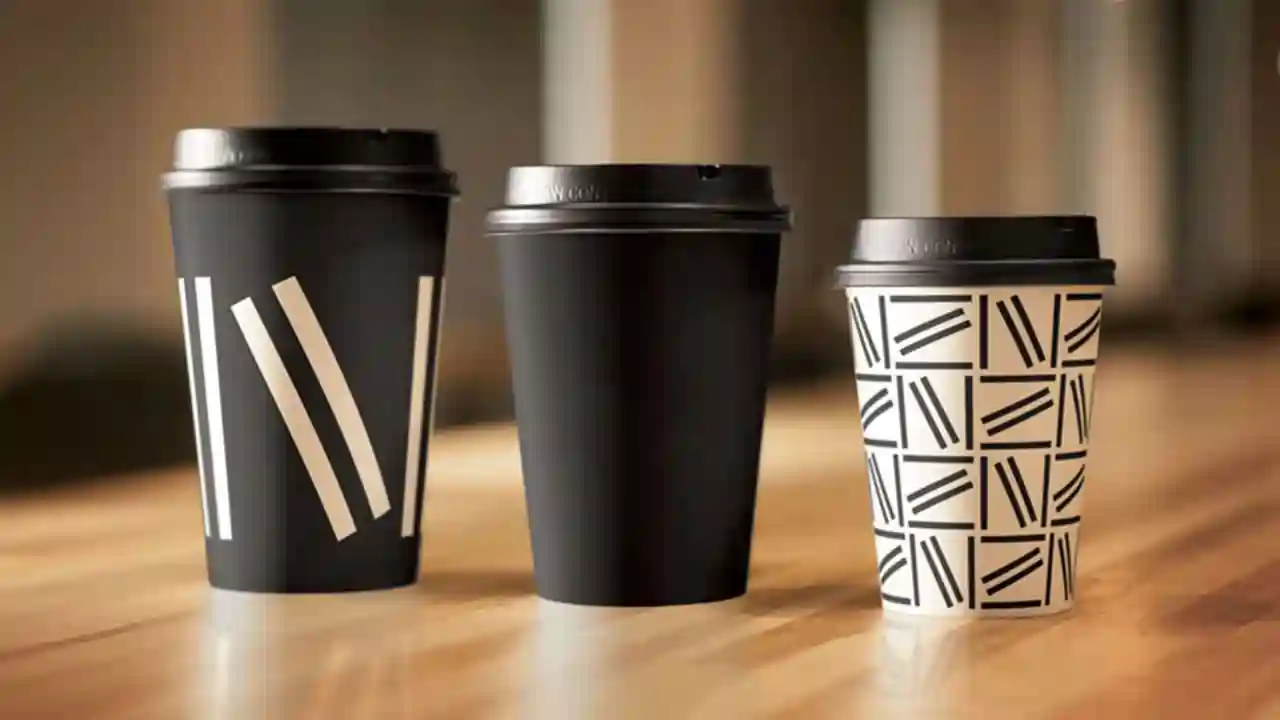
Textures play an integral role in shaping brand identity and packaging design, extending beyond mere visual aesthetics to engage the senses and communicate brand values. The tactile dimension introduced by pbr textures enhances the overall consumer experience, making it more memorable and immersive. A wood texture surface on packaging immediately captures attention and encourages interaction. This engagement establishes a deeper connection between the consumer and the product, fostering a sense of curiosity and exploration. Textures can evoke specific emotions and perceptions. A sleek and smooth texture can convey modernity and sophistication, while a rough and organic pbr texture might evoke authenticity and naturalness. By carefully selecting pbr textures, brands can subtly influence how their products are perceived.
 Industry
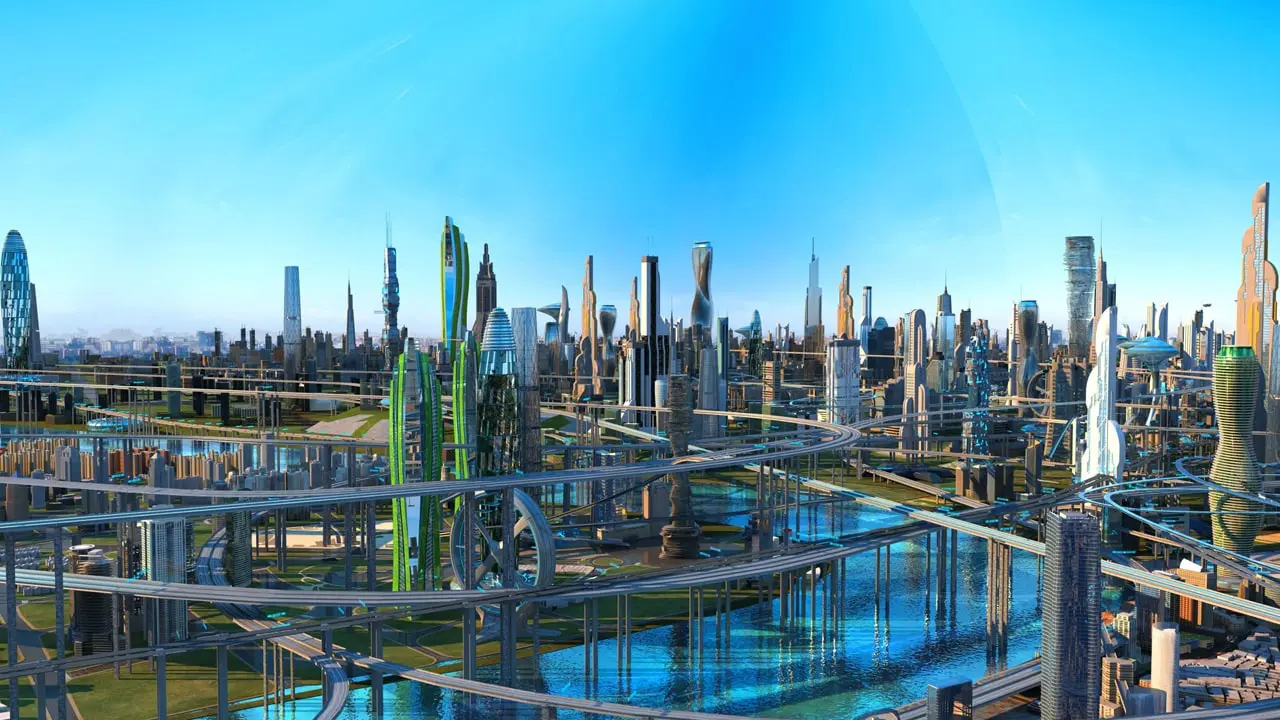
The future of 3D modeling is brimming with exciting possibilities, driven by emerging trends and innovative advancements. One trend to watch is the evolution of 3D modeling techniques and tools, which are becoming increasingly intuitive, accessible, and efficient. This allows artists and designers to create intricate and realistic models with greater ease and speed. Another significant trend is the rise of free 3D content, empowering creators with a vast library of pre-made assets that can be customized and utilized in various projects.
 Industry
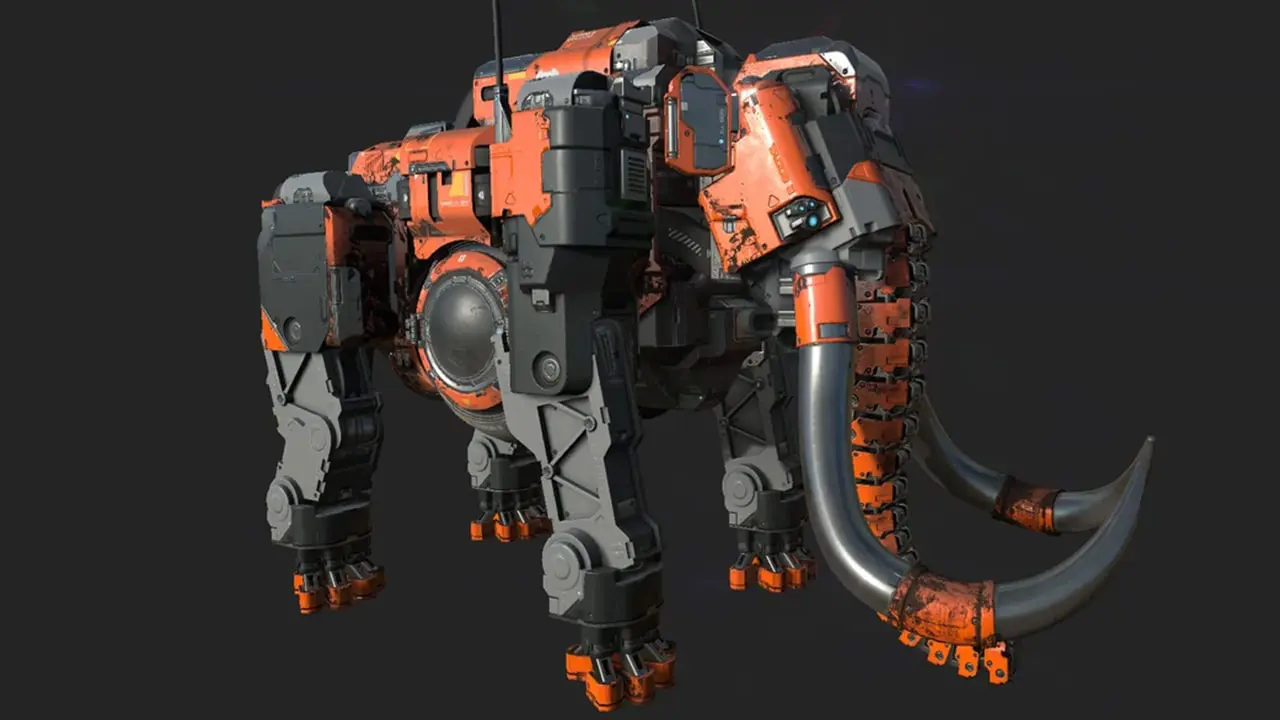
n the realm of animation production, 3D texturing plays a crucial role in bringing virtual characters, objects, and environments to life. It involves the process of applying textures to 3D models to enhance their visual appearance and make them more believable. Texturing in animation production involves creating and assigning texture maps to different parts of the 3D models, which provide detailed information about surface qualities such as color, reflectivity, roughness, and bumpiness.
 Tutorials
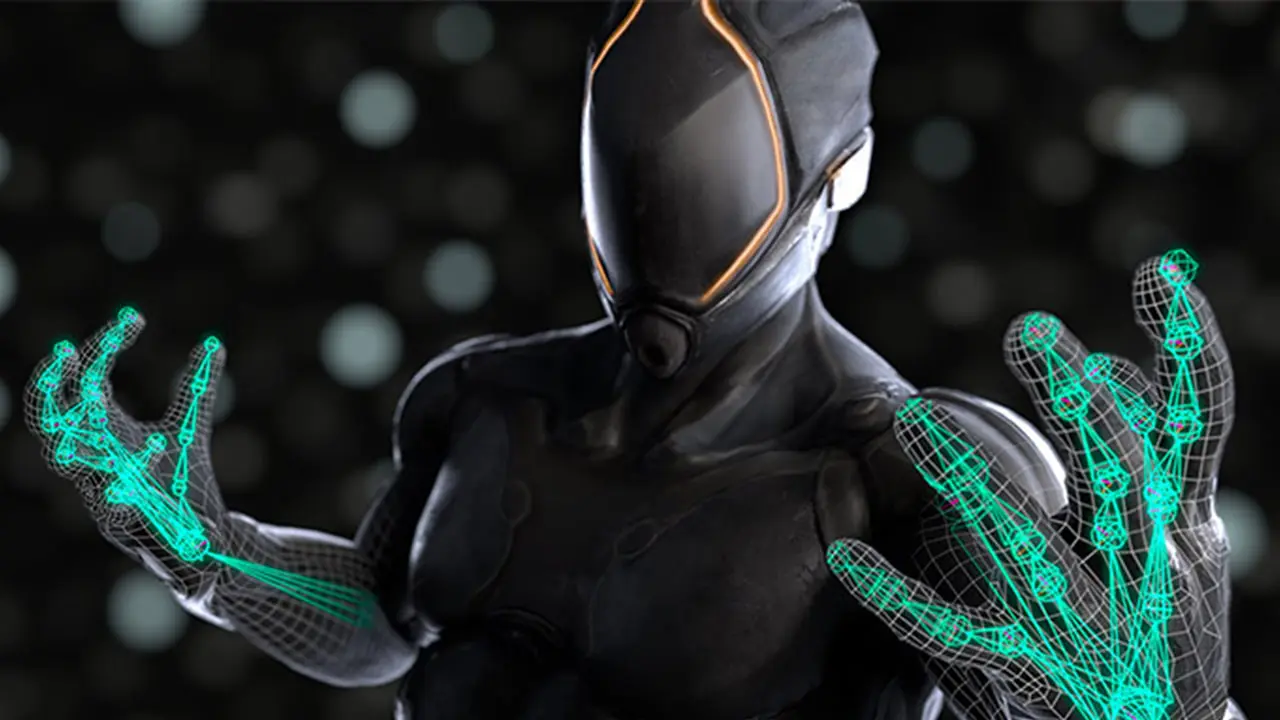
When it comes to creating animations with 3D models, there are several tips and tools that can help you achieve impressive results. To create captivating animations with 3D models, it's crucial to start with a strong foundation. Begin by planning your animation, sketching out storyboards, and defining key poses or frames to guide your work. Utilize specialized 3D modeling software to create and manipulate your 3D character models with precision.
 3D Modeling
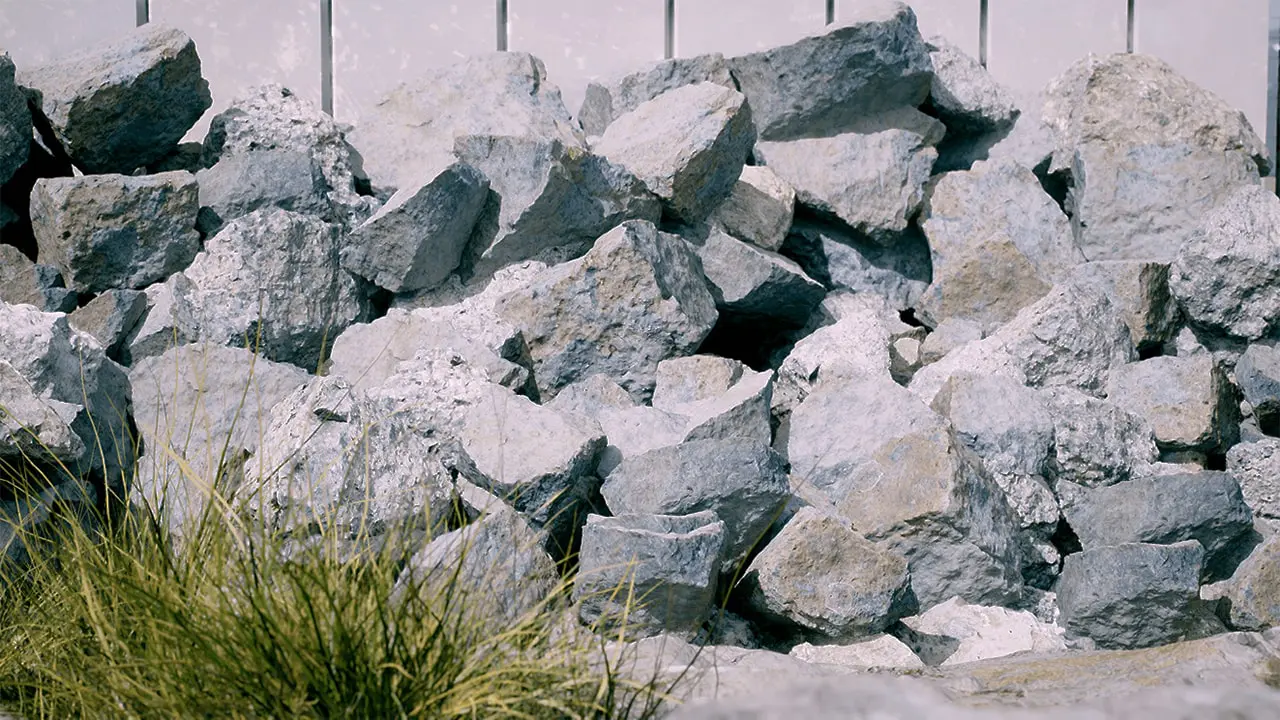
3D modeling is a versatile and strong device used in numerous fields to do digital representations of objects and scenes. It involves using specialized software to describe the form, texture, color, and other visual properties of a 3D object or environment. These models can be used for visualization, simulation, and manufacturing purposes, and are particularly beneficial in fields such as architecture, engineering, product design, video game improvement, and animation. With the 3d model, designers and developers can do realistic and detailed models that allow for a better understanding and analysis of the object or scene being represented. In this road, the skull 3d model has revolutionized the way we design, prototype, and produce physical objects, as well as how we form numerical content such as animations and video games.
 Industry
Render Farm is a network system of high-performance computer hardware, which is used to reduce the rendering time of large graphic projects and make it minimum. Through the developing technology, there has been a lot of innovation in our daily lives. However, in some situations, individual computers become insufficient for creating projects. Since these computers completed this process in a long time, some users' work was disrupted. Render Farm is a system produced to solve this exact problem. Thanks to this system, creating games, movies, drawings, or 3D models developed through certain programs and applications become easier.