ArchViz and game workflows share a need for believable assets, but the performance and presentation goals are different. Use this category for articles about architectural surfaces, game-ready materials, texture optimization, environment building, draw calls, real-time rendering and engine-ready asset preparation.
 Tutorials
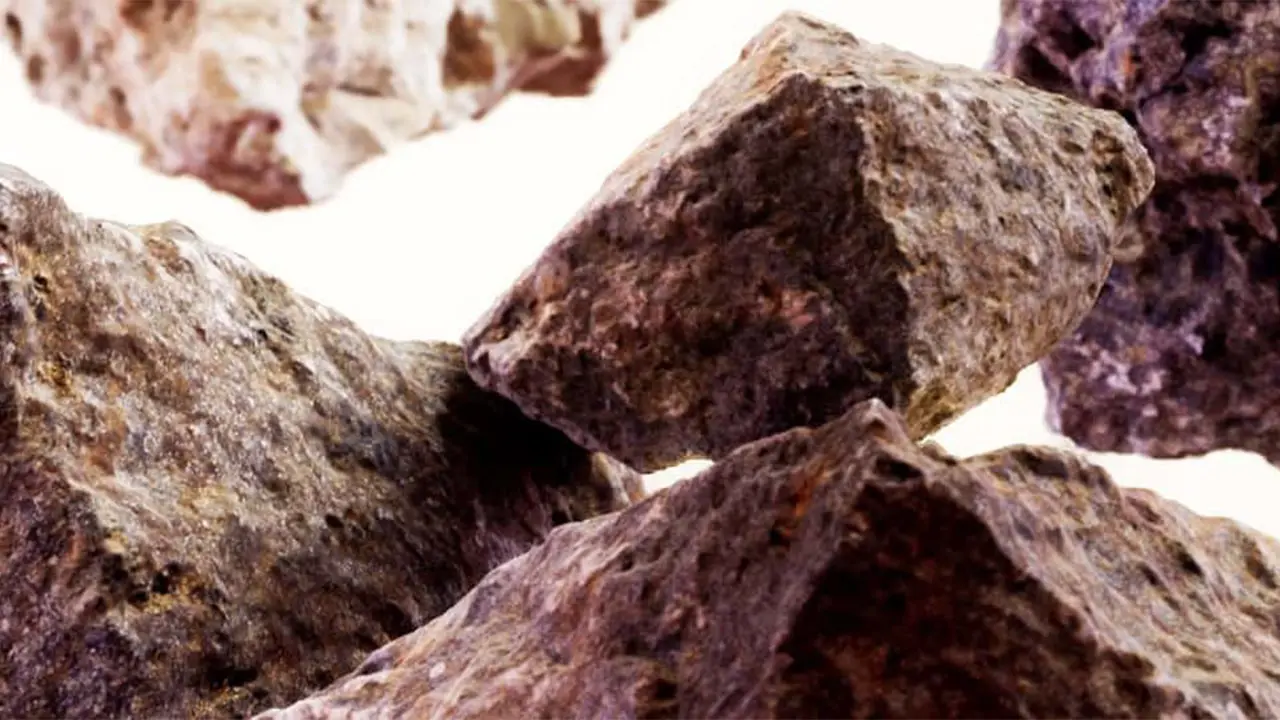
Discover how ground stone and volcanic rock surfaces can improve your 3D workflow. A modern approach to faster scene building using scanned textures and 3D models.
 Materials
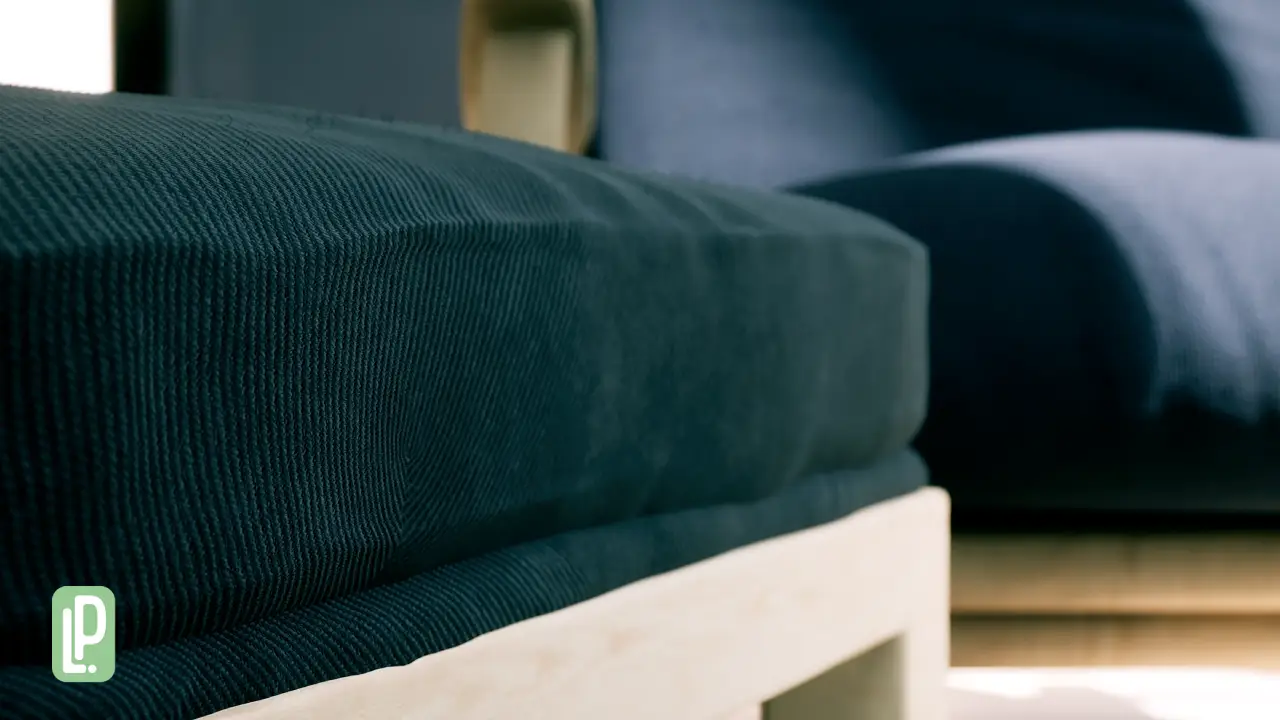
Discover how fabric textures like cotton, velvet, and wool can bring warmth and realism to your digital designs. Explore tips for using seamless textures in architecture, games, and product renders
 Materials
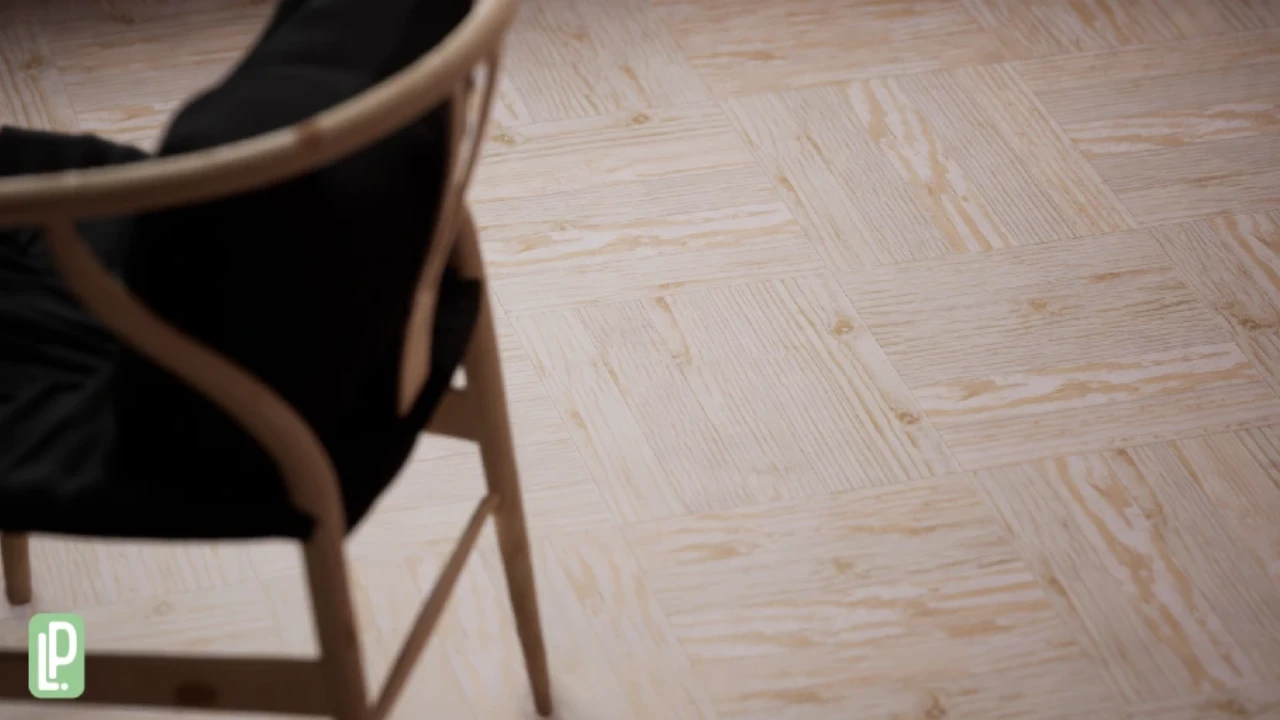
Discover how wood textures bring warmth and realism to digital designs. Learn about wood flooring, wall wood, and wood panel textures, and how they can enhance architectural, game, and product rendering projects.
 Materials
Explore the power of stone textures in digital design! Learn how to use stone floor textures, wall stone textures, and sidewalk textures to add realism to architectural, game, and VFX projects. Discover tips and tricks for using textures of stone effectively in Blender.
 Materials
Discover the versatility and realism of metal textures in digital design! Learn how architects, game developers, and VFX artists can use brushed, rusty, steel, and gold metal textures to enhance their projects.
 Materials
Learn how photogrammetry-based textures are made, from capturing high-resolution photos to processing them into realistic 3D textures.
 Materials
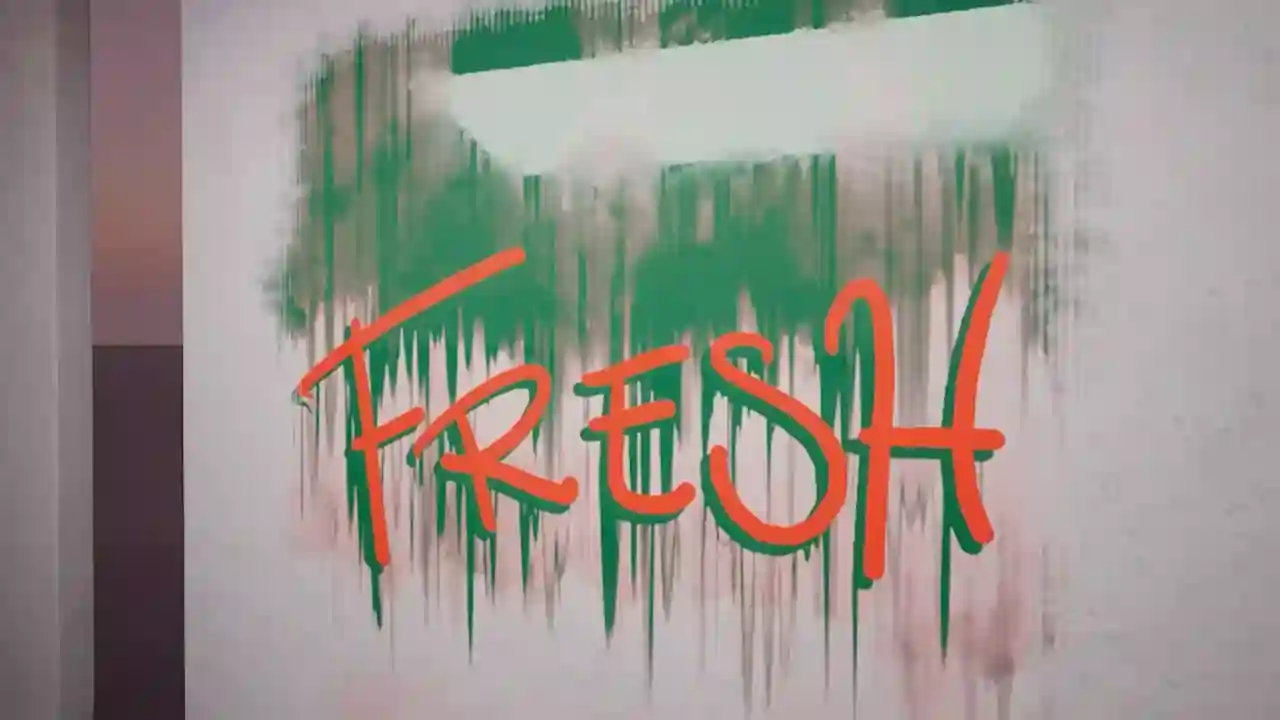
Incorporating decals into interior design has become an innovative and dynamic trend that offers a flexible and cost-effective way to transform spaces. Decal meaning, which are adhesive graphics or designs, allow for quick and easy updates to walls, furniture, and even floors. The versatility of decals means they can range from intricate patterns to bold statements, making them suitable for various design styles. Current trends showcase a preference for nature-inspired motifs, geometric patterns, and intricate mandalas, bringing a fresh and personalized touch to interiors. When using decals in interior design, it's essential to consider the color scheme, scale, and placement to ensure a harmonious integration with the existing decor. The ability to experiment and change decal works with minimal effort adds an element of creative freedom, empowering individuals to curate their spaces in alignment with evolving preferences. You can access our decal library.
 Materials
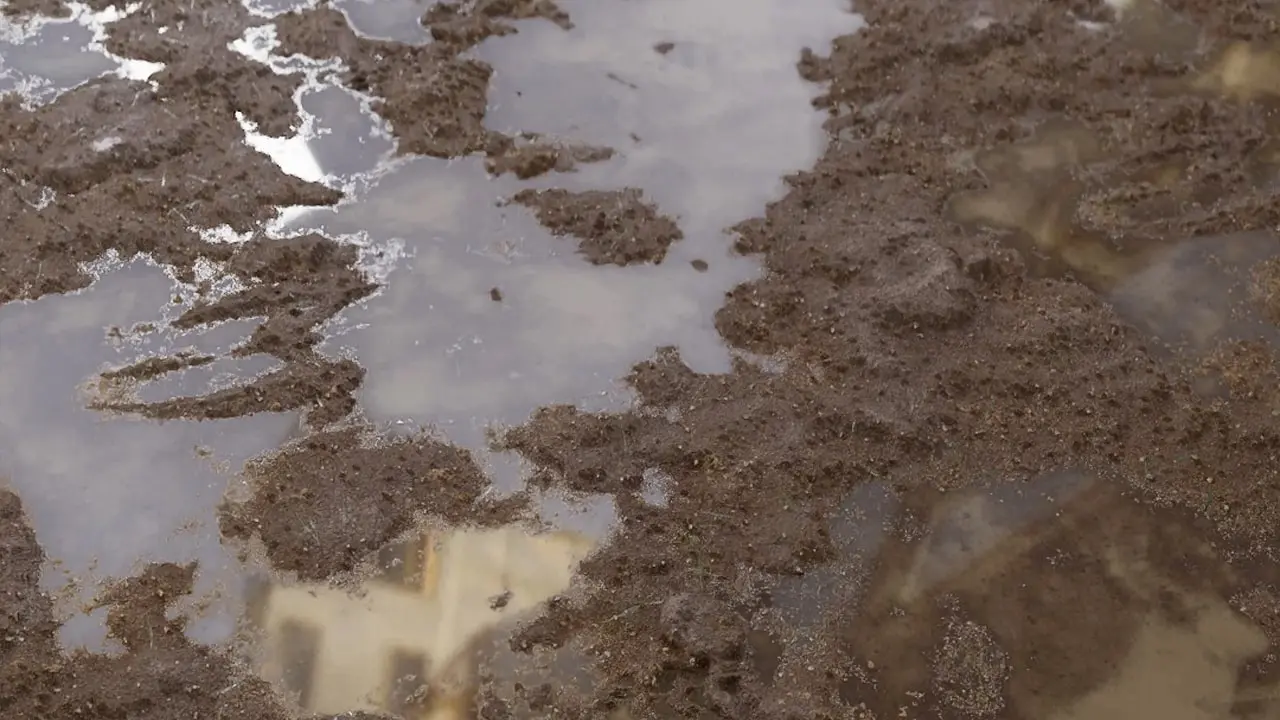
Nature has an incredible way of captivating our senses through its diverse textures and elements. Among the many wonders it offers, mud texture and soil texture stand out as an epitome of raw beauty. These humble elements, often overlooked, play a crucial role in our environment and have found their place in various fields. In this article, we will delve into the fascinating world of mud texture and soil texture, exploring their significance, uses, and charm.
 Materials
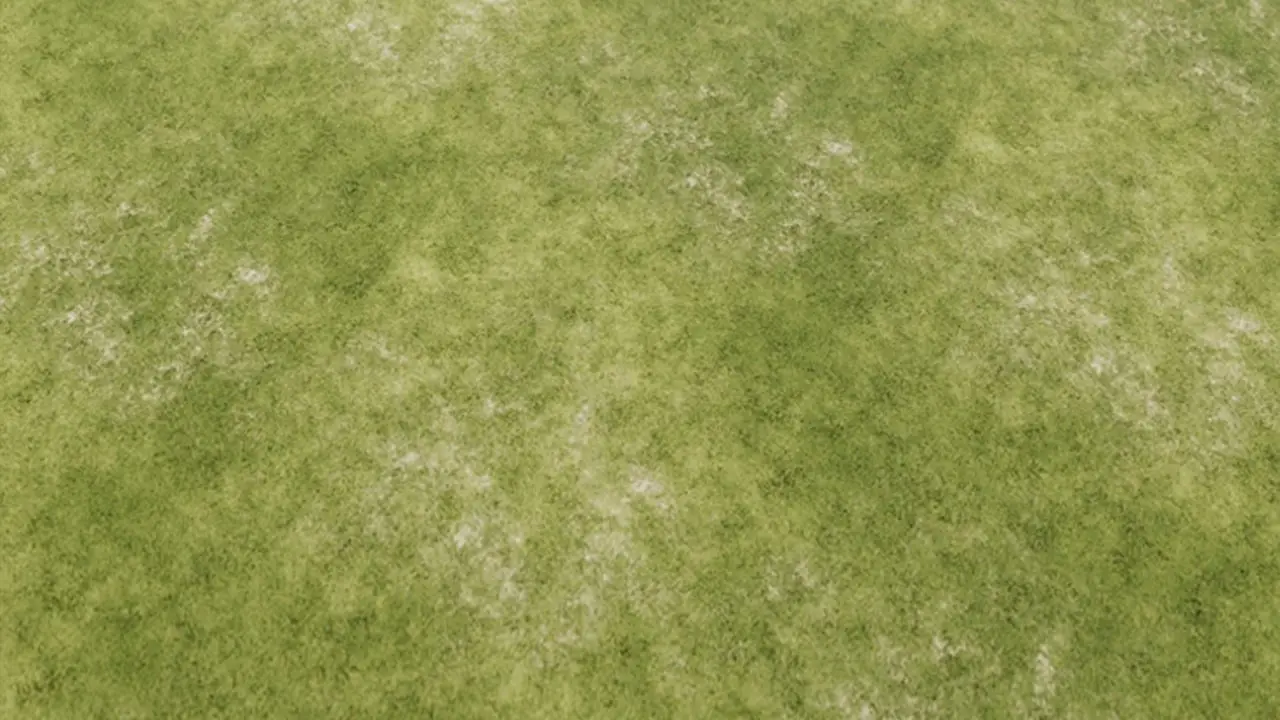
Are you looking to add a touch of nature to your designs? Look no further than these seamless grass textures. With their realistic and detailed designs, these textures will bring your artwork to life. Download them now and start creating stunning and captivating designs. Seamless grass textures are digital images or patterns that can be used in design projects to create the appearance of grass. These textures are designed to seamlessly repeat, meaning they can be tiled or repeated without any visible seams or edges.
 Materials
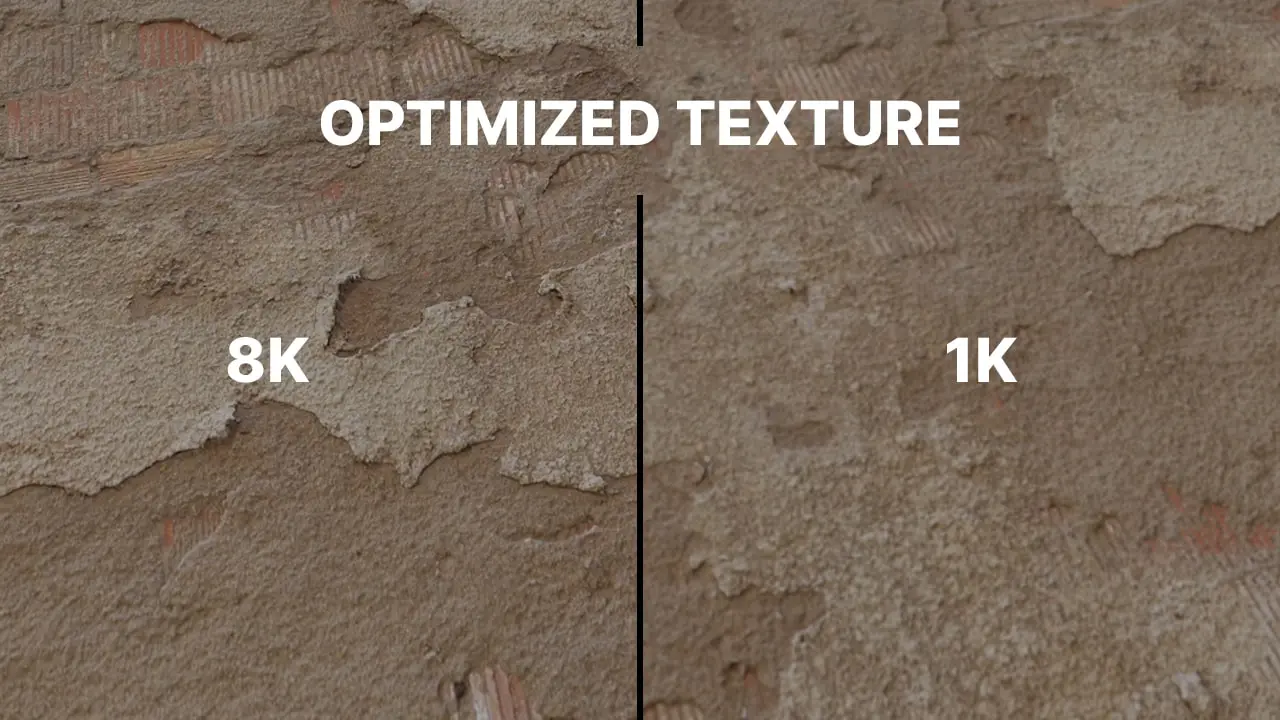
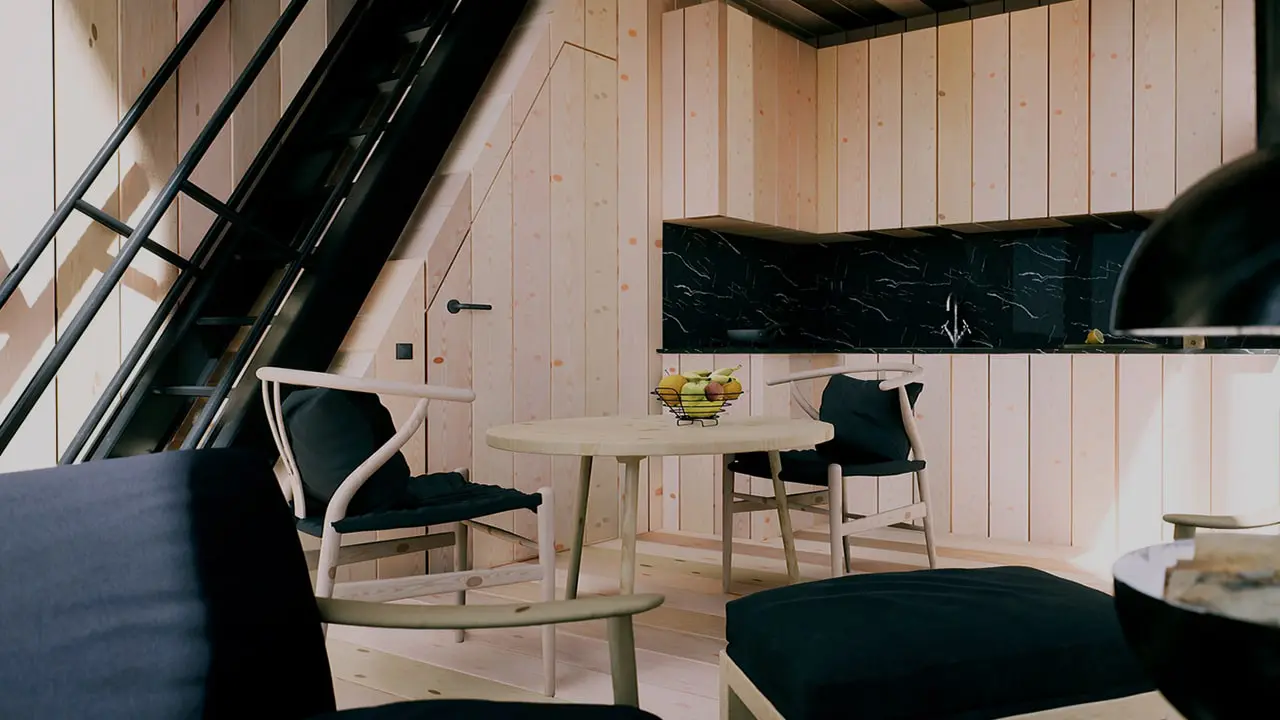
Real-time rendering has become an essential aspect of modern game development and 3D visualization, where the goal is to achieve high-quality graphics with smooth performance. Physically-Based Rendering (PBR) is a popular technique used in real-time rendering to create accurate and realistic materials for 3D objects. PBR texture plays a crucial role in achieving high-quality graphics, and optimizing them can significantly impact the overall performance of the application. In this context, understanding how to make PBR textures is crucial for game developers and 3D artists who want to create engaging and visually compelling real-time rendered scenes.
 Industry
PBR (Physically Based Rendering) textures have revolutionized architectural visualization, allowing designers and artists to achieve stunning levels of realism. These textures are based on physically accurate properties such as albedo, roughness, and metallicness, enabling them to accurately mimic real-world materials and their interaction with light.
 Industry
The world of architecture and design is experiencing a remarkable revolution, thanks to the transformative power of 3D modeling technology. Traditional methods of conceptualizing and presenting architectural projects, such as 2D drawings and physical models, are being rapidly replaced by virtual representations that offer unprecedented levels of detail, accuracy, and realism. Through the utilization of advanced computer graphics and visualization tools, architects and designers can now create immersive 3D models that revolutionize the way projects are planned, designed, and communicated. This paradigm shift has not only enhanced the efficiency and creativity of architectural practices but has also opened up new possibilities for collaboration, client engagement, and overall project success.