Decals and small surface details often make a scene feel used, aged or site-specific. This category should cover alpha maps, opacity workflows, wall graphics, labels, scratches, graffiti, road markings and non-destructive detailing methods that help LotPixel decals support realistic ArchViz, game and environment work.
 Materials
Incorporating decals into interior design has become an innovative and dynamic trend that offers a flexible and cost-effective way to transform spaces. Decal meaning, which are adhesive graphics or designs, allow for quick and easy updates to walls, furniture, and even floors. The versatility of decals means they can range from intricate patterns to bold statements, making them suitable for various design styles. Current trends showcase a preference for nature-inspired motifs, geometric patterns, and intricate mandalas, bringing a fresh and personalized touch to interiors. When using decals in interior design, it's essential to consider the color scheme, scale, and placement to ensure a harmonious integration with the existing decor. The ability to experiment and change decal works with minimal effort adds an element of creative freedom, empowering individuals to curate their spaces in alignment with evolving preferences. You can access our decal library.
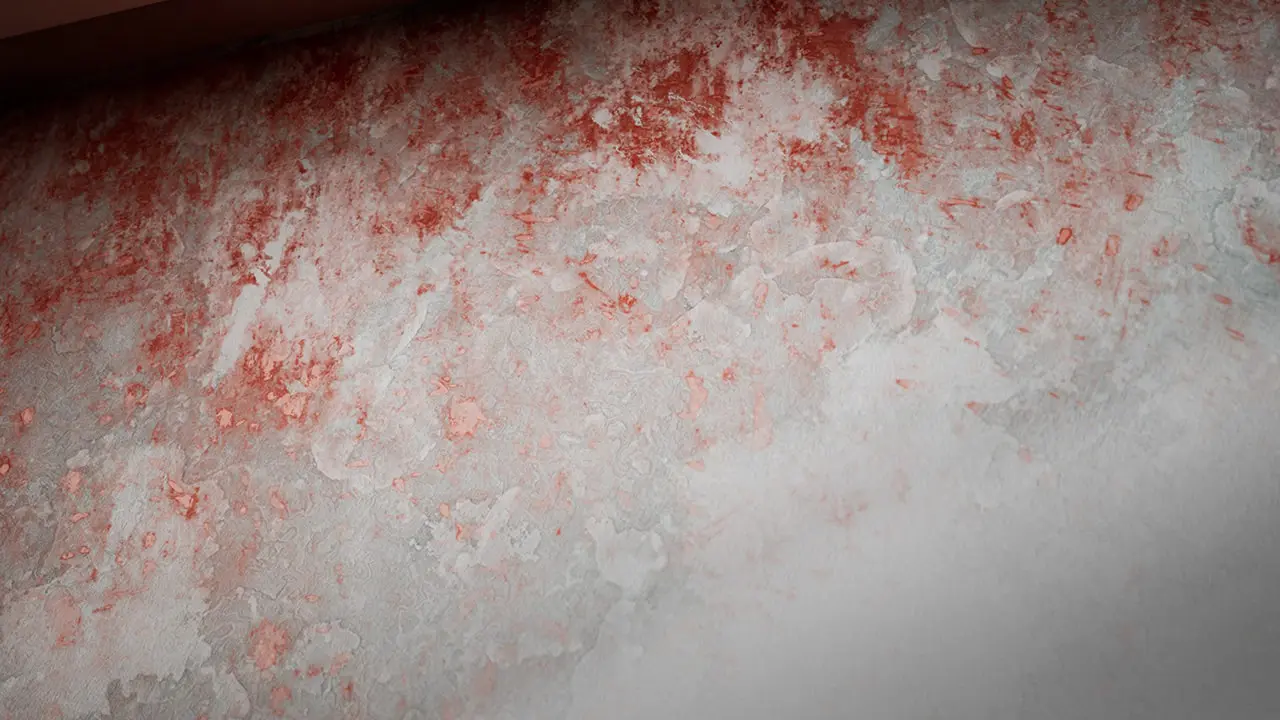 Materials
Game engines and render scenes in the digital environment use many technologies to create a realistic image. One of them is decals. decal meaning is pre-made 2D or 3D graphics that are added to the surfaces of objects, resulting in a more realistic image. Decals, which can determine the details, opacity, reflectivity, height, or colors on the surface, are converted into a map to simulate the features of the surface using techniques such as normal map, alpha mask, or height map. In this way, games or rendered scenes are made more realistic and impressive.
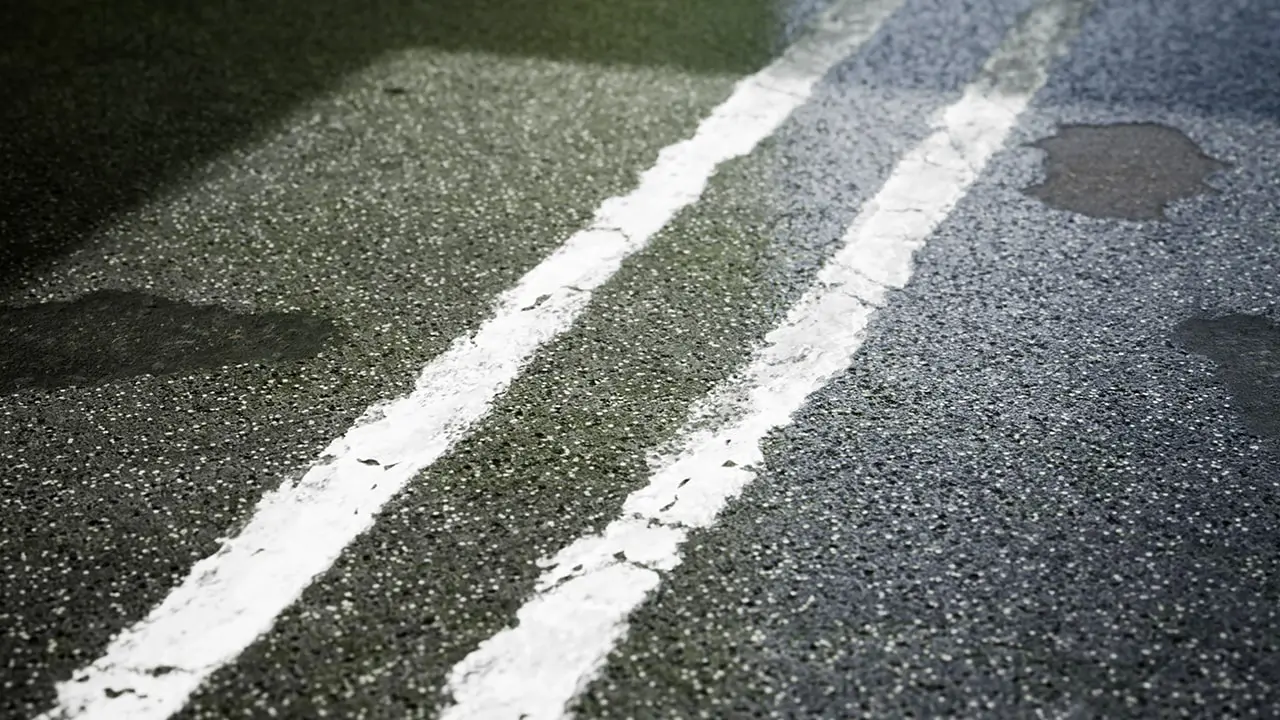 Materials
Stickers and decals are both popular methods for adding an individual touch to a kind of surface. They are frequently used to adorn cars, laptops, walls, and more. While these terms are sometimes used interchangeably, there are in fact some key differences between stickers and decal design works. Understanding these differences can help you select the best selection for your needs and understand what a decal is a question. In this response, I will clarify the differences between stickers and decals, including their materials, application methods, and durability.
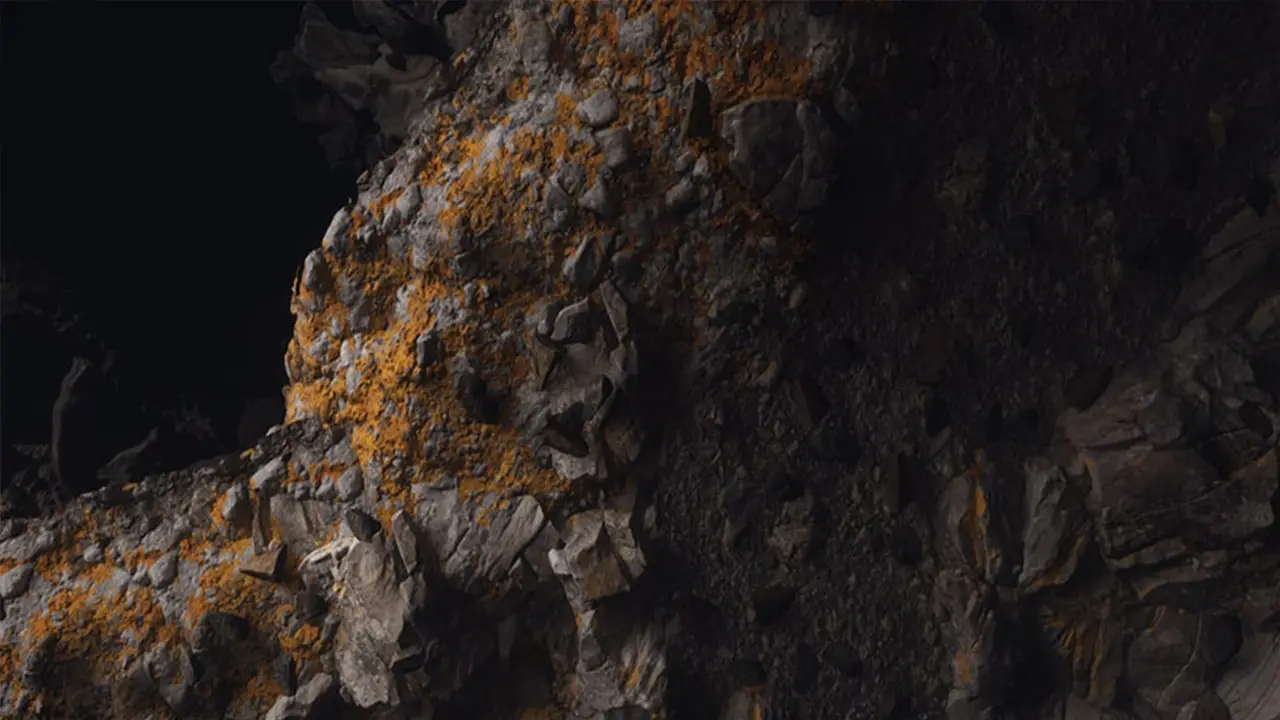 Materials
When it comes to 3D projects, attention to elaboration is important in achieving a successful result. Whether you are creating detailed 3d models for a video game, architectural visualization, or product design, paying attention to even the smallest details can do an important difference in the overall quality of the project. Details add density, realism, and authenticity to your study, and they can perform your project stand out from the rest. In this sense, it is obligatory to understand the value of details and how they can influence the result of your 3D project.