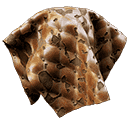
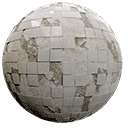
Rough Volcanic Rock Texture: A Powerful and Unique Material
When it comes to creating realistic and stunning 3D environments, textures are crucial for achieving authenticity. Among the diverse variety of textures used in different industries, the rough volcanic rock texture stands out as one of the most versatile and impressive materials. Its rugged surface, rich colors, and irregular patterns make it a popular choice for video game developers, architects, and visual effects artists who wish to incorporate raw natural elements into their projects. Whether you're designing realistic terrains or looking to add visual depth to your scenes, this texture offers an unparalleled level of detail and versatility.
The Characteristics of Rough Volcanic Rock Texture
Volcanic rocks, by their very nature, are a product of the intense heat and pressure from volcanic activity. This gives them a unique appearance that is characterized by irregular shapes, rough surfaces, and rich earthy tones. Rough volcanic rock textures typically feature jagged edges, weathered surfaces, and varied mineral colors, such as dark greys, browns, reds, and yellows. These natural imperfections are what make volcanic rock so captivating and highly desirable for those working with 3D models and visual design.
What sets volcanic rocks apart from other materials is their connection to the earth's geological processes. These textures evoke a sense of raw power and timelessness, representing the unpredictable forces of nature. The varying patterns, cracks, and fissures in the texture give it a dynamic and organic feel, making it perfect for creating realistic landscapes, cave interiors, or even the surface of distant planets.
Applications of Rough Volcanic Rock Texture in Different Industries
1. Game Development
In the world of video game design, textures play a critical role in creating immersive environments. Rough volcanic rock textures are commonly used in the development of rugged outdoor terrains, lava fields, and mountainous landscapes. The coarse surface of the texture allows for the creation of realistic-looking ground that can withstand the effects of in-game weather, erosion, and time. Whether used for a volcanic island or the surface of a dystopian wasteland, this texture adds a sense of realism and depth to any in-game scene.
2. Architectural Design
Volcanic rock textures are also used in the architectural industry, especially for exterior wall finishes, landscaping features, and flooring. The natural look of rough volcanic stone gives buildings a rugged, yet elegant appearance, making it suitable for both modern and rustic designs. Its durability and unique aesthetic make it an excellent choice for outdoor structures like patios, garden walls, or even accent pieces in urban environments.
3. VFX and Film Production
In the world of visual effects, creating realistic and believable environments is paramount. Rough volcanic rock textures can be used in films and TV shows to depict alien planets, dramatic landscapes, or ancient ruins. Whether it's used for background environments or as part of a more intricate set design, the texture's natural randomness helps to create scenes that feel grounded in reality, even in fantastical worlds. The irregularity and depth of volcanic rock make it ideal for rendering complex surfaces that convey a sense of both danger and beauty.
How to Use Rough Volcanic Rock Texture in Your Projects
Using rough volcanic rock textures in your projects involves more than simply applying an image or surface map. To make the texture work effectively, it is important to understand how to manipulate it within your chosen 3D modeling or design software. By adjusting the scale, rotation, and tiling of the texture, you can create a variety of effects, from vast rocky plains to small-scale detailed cracks. Additionally, consider incorporating bump maps or normal maps to further enhance the roughness and create a more three-dimensional appearance.
Another important aspect to consider is lighting. The natural roughness of the volcanic rock texture can look vastly different under various light sources. A scene lit with harsh, direct sunlight can emphasize the texture's depth and cracks, while softer, ambient lighting may smooth out the details and create a more subdued look. Experimenting with different lighting setups can help you achieve the exact look you desire.
The Benefits of Rough Volcanic Rock Textures for Artists and Designers
One of the primary advantages of using rough volcanic rock textures is their versatility. No matter the type of project you are working on be it gaming, architectural design, or VFX the texture can easily be adapted to meet the needs of the scene. It can be scaled up or down, seamlessly tiled, or blended with other textures to create a more complex material.
Additionally, the ruggedness and natural feel of volcanic rock provide a level of authenticity that is hard to replicate with man-made materials. The irregularity in its surface ensures that no two instances of the texture look exactly alike, allowing for a greater degree of variation and realism in your designs.
Rough volcanic rock textures are an essential tool for anyone involved in 3D modeling, game development, architectural design, or visual effects. Their natural, irregular appearance adds a level of realism and depth to any project. Whether you're looking to create a barren lava field, a natural stone building, or an alien landscape, this texture is a powerful and versatile choice. By understanding its characteristics and knowing how to manipulate it within your design software, you can elevate the visual impact of your work and create truly breathtaking environments.