 Materials
Stickers and decals are both popular methods for adding an individual touch to a kind of surface. They are frequently used to adorn cars, laptops, walls, and more. While these terms are sometimes used interchangeably, there are in fact some key differences between stickers and decal design works. Understanding these differences can help you select the best selection for your needs and understand what a decal is a question. In this response, I will clarify the differences between stickers and decals, including their materials, application methods, and durability.
 Materials
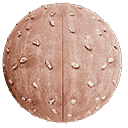
Physically-Based Rendering (PBR) textures are a contemporary way of 3D rendering that offers numerous benefits over traditional texturing methods. PBR textures simulate real-world materials, making them a main tool for creating realistic and accurate 3D models. In this context, PBR textures provide enhanced efficiency, versatility, and cost-effectiveness, making them fatal assets for designers, artists, and game developers. In this article, we will find the very benefits of using PBR textures in 3D rendering.
 Industry
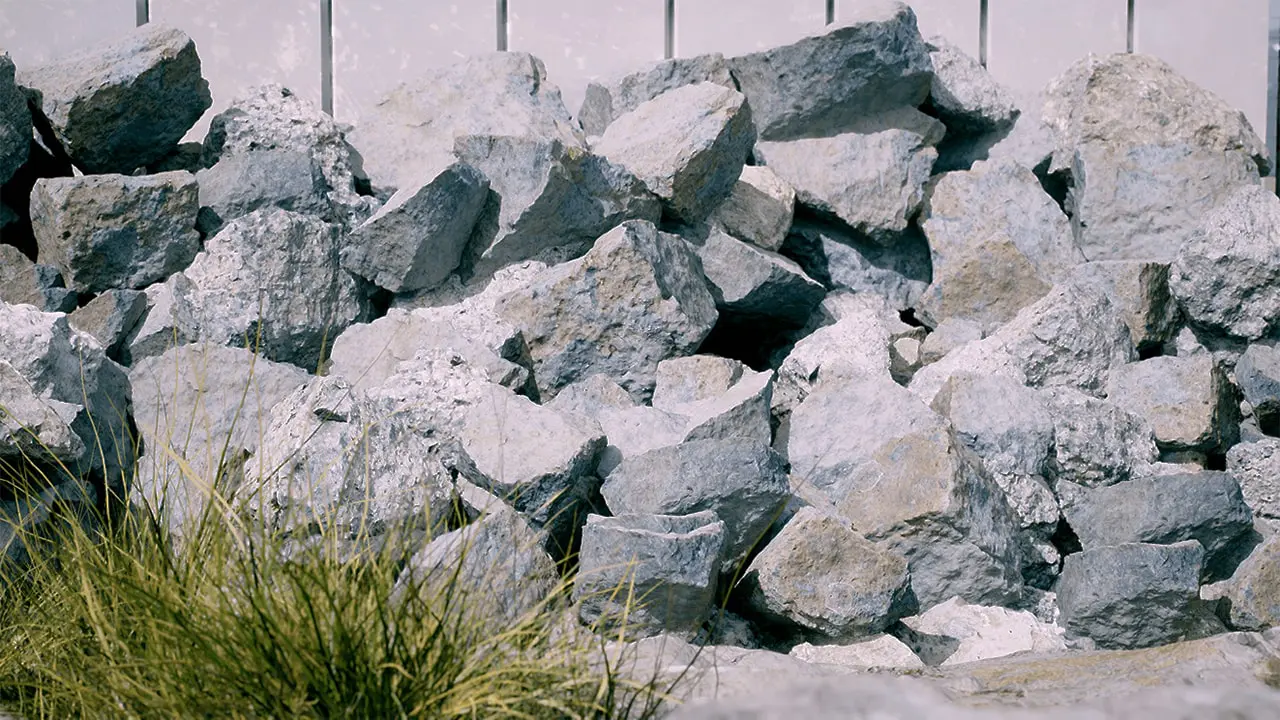
How to Use PBR Textures in Games is a topic known as Physically Based Rendering (PBR) textures have become the industry standard for creating realistic textures in video games. PBR textures utilize a set of standardized maps that copy the physical properties of a surface, such as roughness, metallicity, and environmental stoppage. Implementing PBR textures in video games requires an understanding of how to do and use these maps effectively to do realistic and visually appealing game assets. It is also significant to think about the show impact of PBR textures on the game motor and hardware requirements, as well as how they will be integrated into the game's rendering pipeline. In this answer, we will find the key considerations when using PBR textures in games, including texture work, optimization, and integration into the game engine like Unreal Engine or Unity etc.
 3D Modeling
3D modeling is a versatile and strong device used in numerous fields to do digital representations of objects and scenes. It involves using specialized software to describe the form, texture, color, and other visual properties of a 3D object or environment. These models can be used for visualization, simulation, and manufacturing purposes, and are particularly beneficial in fields such as architecture, engineering, product design, video game improvement, and animation. With the 3d model, designers and developers can do realistic and detailed models that allow for a better understanding and analysis of the object or scene being represented. In this road, the skull 3d model has revolutionized the way we design, prototype, and produce physical objects, as well as how we form numerical content such as animations and video games.
 Materials
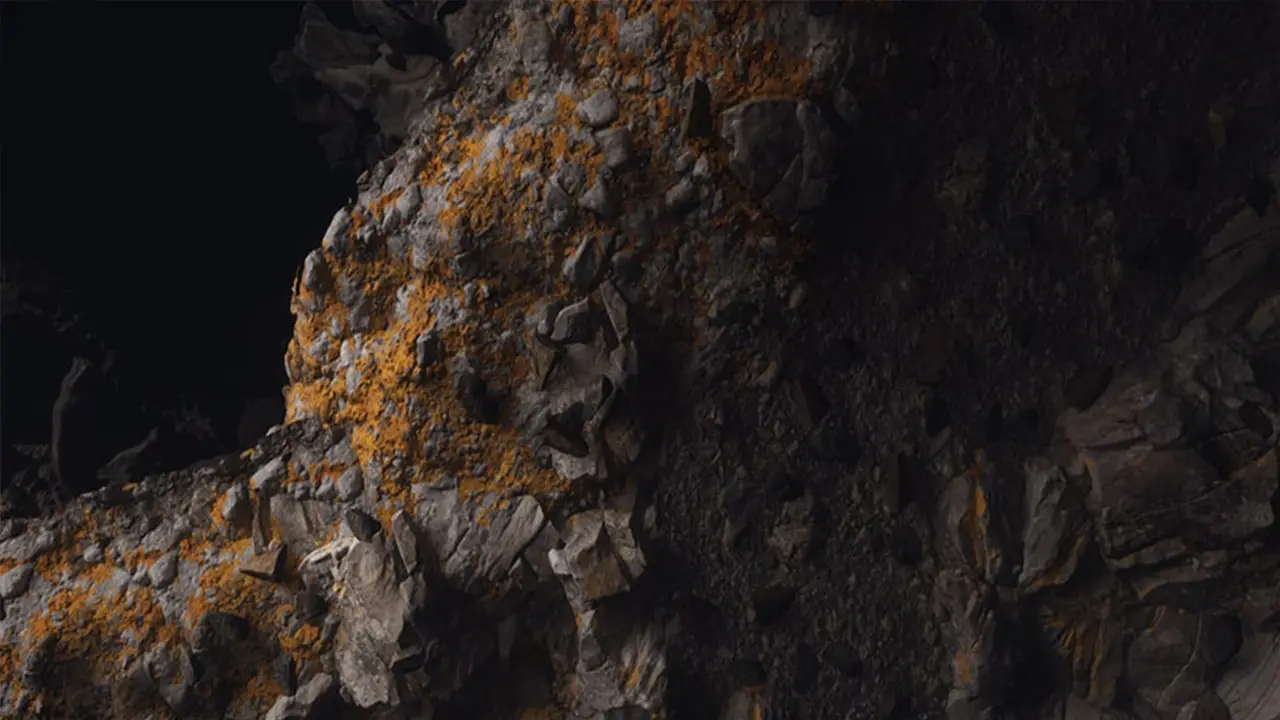
When it comes to 3D projects, attention to elaboration is important in achieving a successful result. Whether you are creating detailed 3d models for a video game, architectural visualization, or product design, paying attention to even the smallest details can do an important difference in the overall quality of the project. Details add density, realism, and authenticity to your study, and they can perform your project stand out from the rest. In this sense, it is obligatory to understand the value of details and how they can influence the result of your 3D project.
 Materials
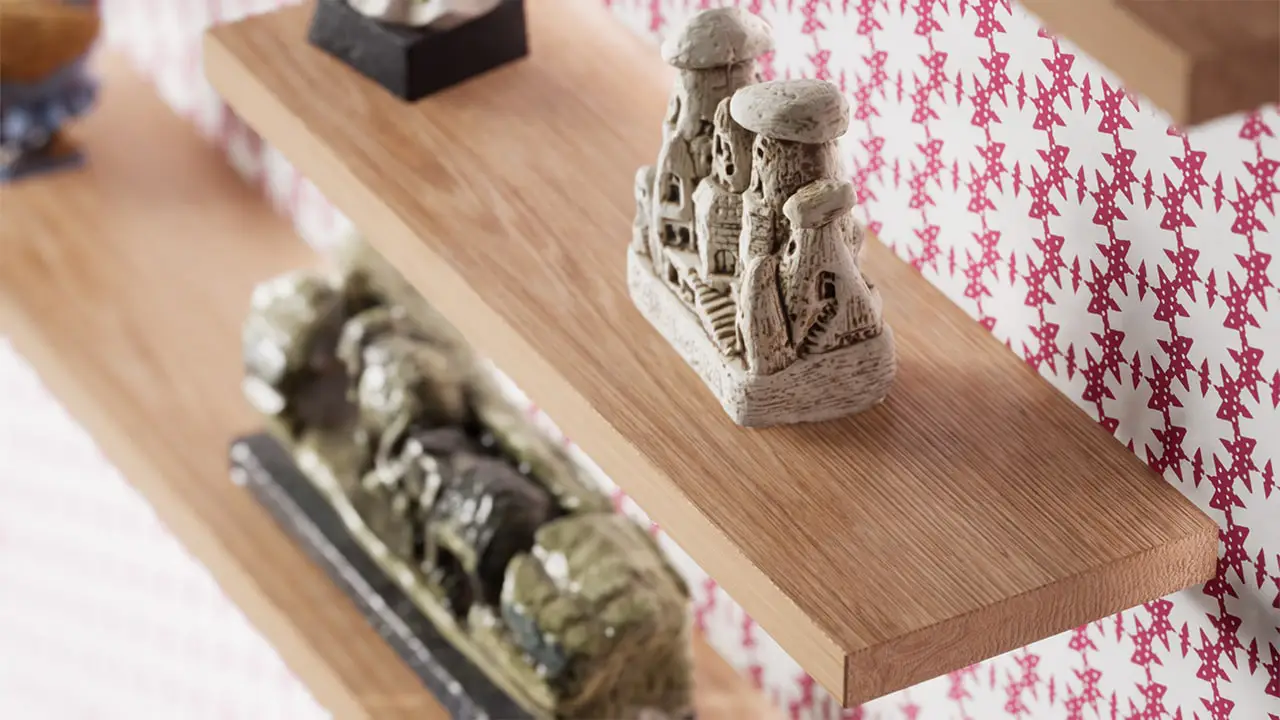
"Free texture" means the texture of free. This term is generally used for some digital design and graphic work. A 'free texture' is usually presented as a digital image or pattern and reflects an image of several surfaces such as wood, metal, fabric, or natural elements (e.g., stone, grass, water, etc.). Such textures can be used by digital designers and graphic artists to give their designs a realistic and exact textural feel. Additionally, free textures can frequently be found online and are offered by LotPixel.
 Materials
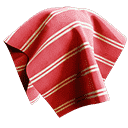
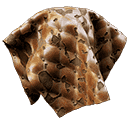
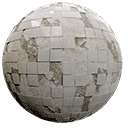
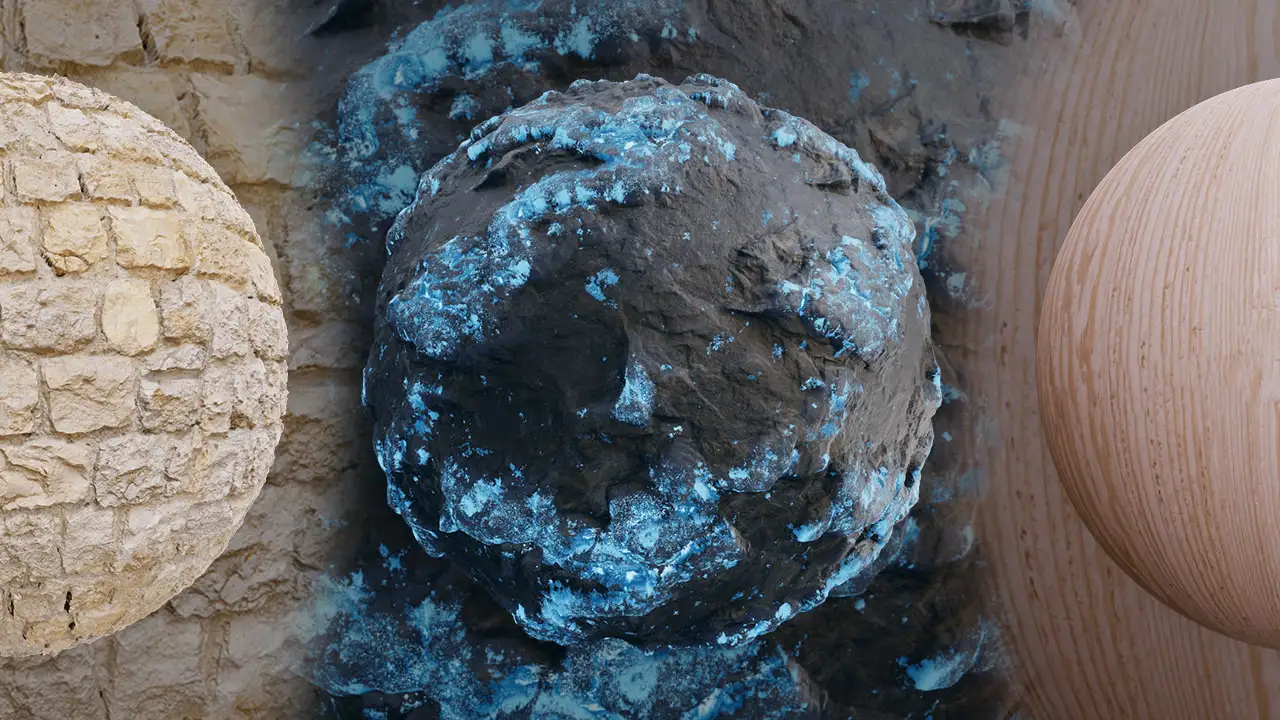
You turn your designs with our premium texture compilation. From grunge to minimalistic, we have textures to fit every mode. Texture can be defined as the look or feel of the texture on the surface. We can give examples such as the rough or tender feel of a fabric, the rough or smooth surface of a rock, and the bark or smooth surface of a tree. In addition to this, the texture is a mostly used concept in art, design, graphic design, and other visual media fields. In computer games, the texture is a prominent component that visually creates the game world and offers a realistic experience to the players. Textures are view files that describe the details and properties of objects and surfaces.
 Materials
Texture and material are often confused with eac...
 Industry
Render Farm is a network system of high-performance computer hardware, which is used to reduce the rendering time of large graphic projects and make it minimum. Through the developing technology, there has been a lot of innovation in our daily lives. However, in some situations, individual computers become insufficient for creating projects. Since these computers completed this process in a long time, some users' work was disrupted. Render Farm is a system produced to solve this exact problem. Thanks to this system, creating games, movies, drawings, or 3D models developed through certain programs and applications become easier.
 Materials
Learn how photogrammetry works, how to capture better scans, create PBR textures, 3D models, build LODs, and produce realistic assets for games, archviz.