Material guide pages should be specific and useful. Each article can focus on one surface type, explain where it works best, describe the relevant maps and link naturally to LotPixel products or Hub workflows. The goal is to help users choose better materials, not repeat the same general PBR explanation everywhere.
 Materials
Discover premium wood textures on LotPixel, perfect for architectural visualization and design. Elevate your projects with realistic, high-resolution wood textures available.
 Materials
Learn how photogrammetry-based textures are made, from capturing high-resolution photos to processing them into realistic 3D textures.
 News
News
Explore 1300+ free textures at LotPixel. Perfect for 3D design, architecture, and games. Download quickly and enhance your projects effortlessly!
 News
News
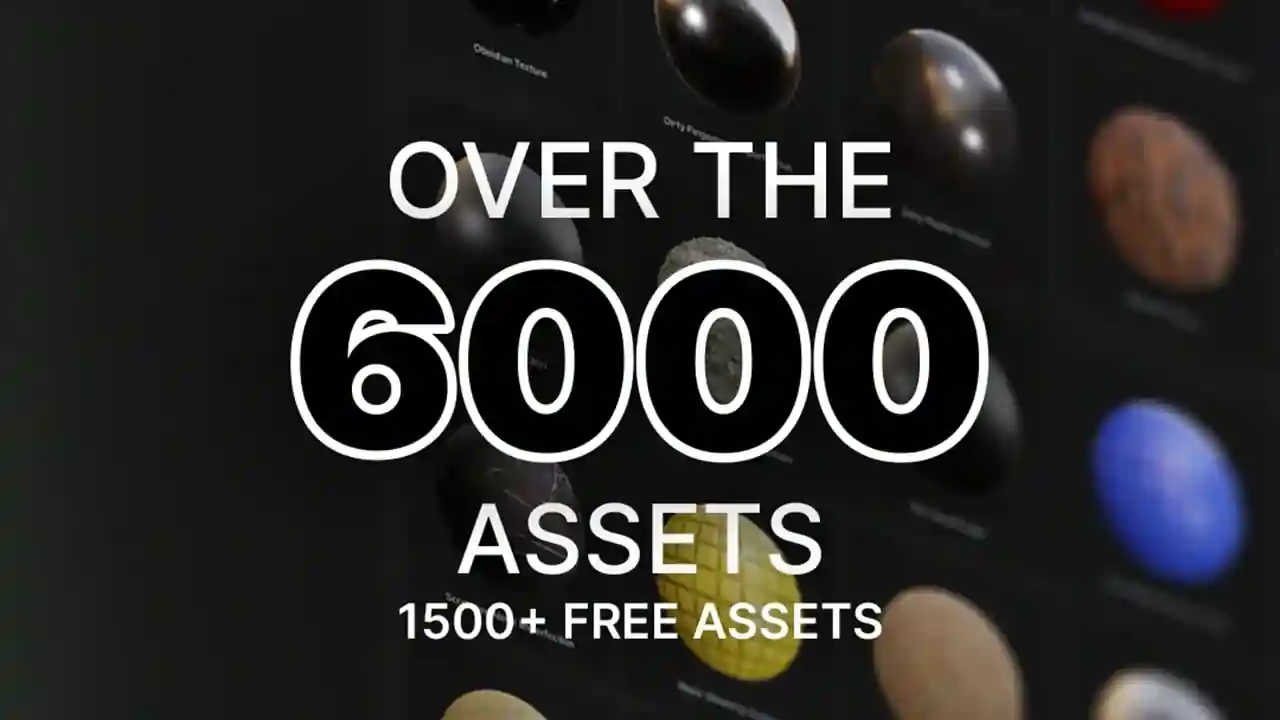
Great news for those looking to create creative projects in the digital realm! Lotpixel is proud to present to you a wide and rich collection of over 6000 assets. This extensive collection covers the fundamentals of visual design, including the worlds of textures, 3D models, and decals. What's even more exciting is that over 1500 of these assets are completely free! We will delve deeper into this remarkable collection and shed light on the top free textures.
 Materials
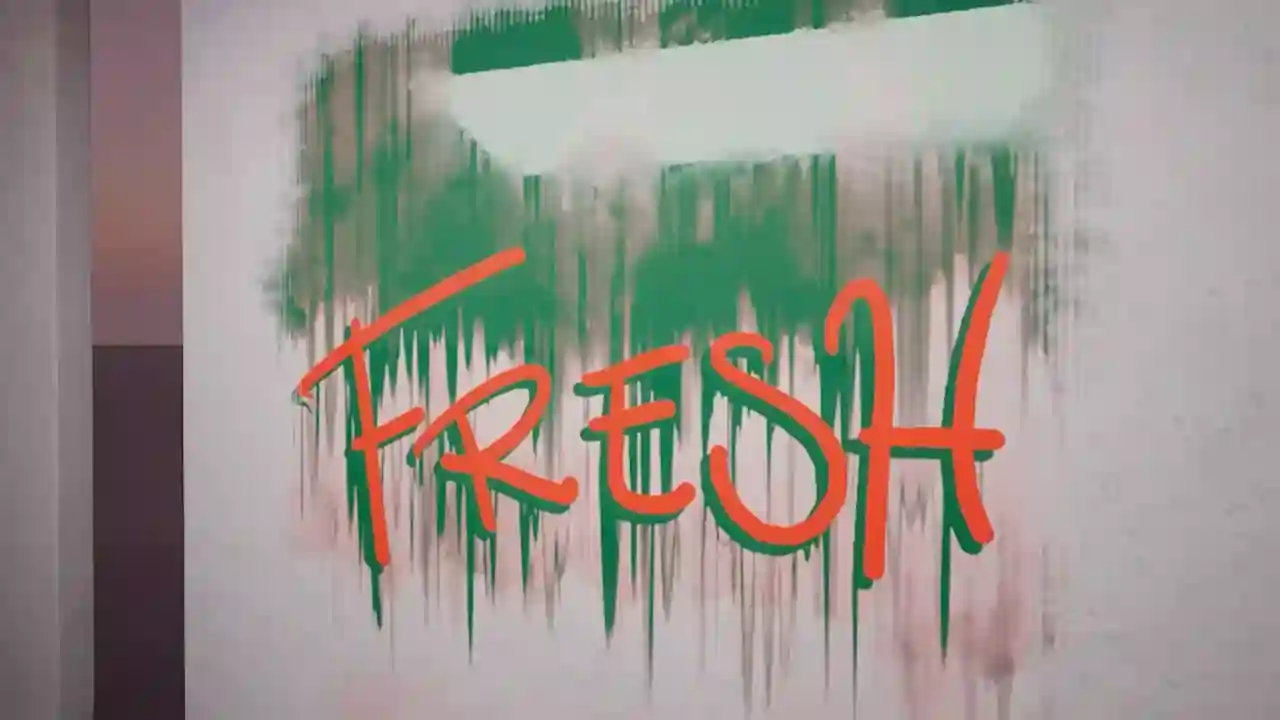
Incorporating decals into interior design has become an innovative and dynamic trend that offers a flexible and cost-effective way to transform spaces. Decal meaning, which are adhesive graphics or designs, allow for quick and easy updates to walls, furniture, and even floors. The versatility of decals means they can range from intricate patterns to bold statements, making them suitable for various design styles. Current trends showcase a preference for nature-inspired motifs, geometric patterns, and intricate mandalas, bringing a fresh and personalized touch to interiors. When using decals in interior design, it's essential to consider the color scheme, scale, and placement to ensure a harmonious integration with the existing decor. The ability to experiment and change decal works with minimal effort adds an element of creative freedom, empowering individuals to curate their spaces in alignment with evolving preferences. You can access our decal library.
 Industry
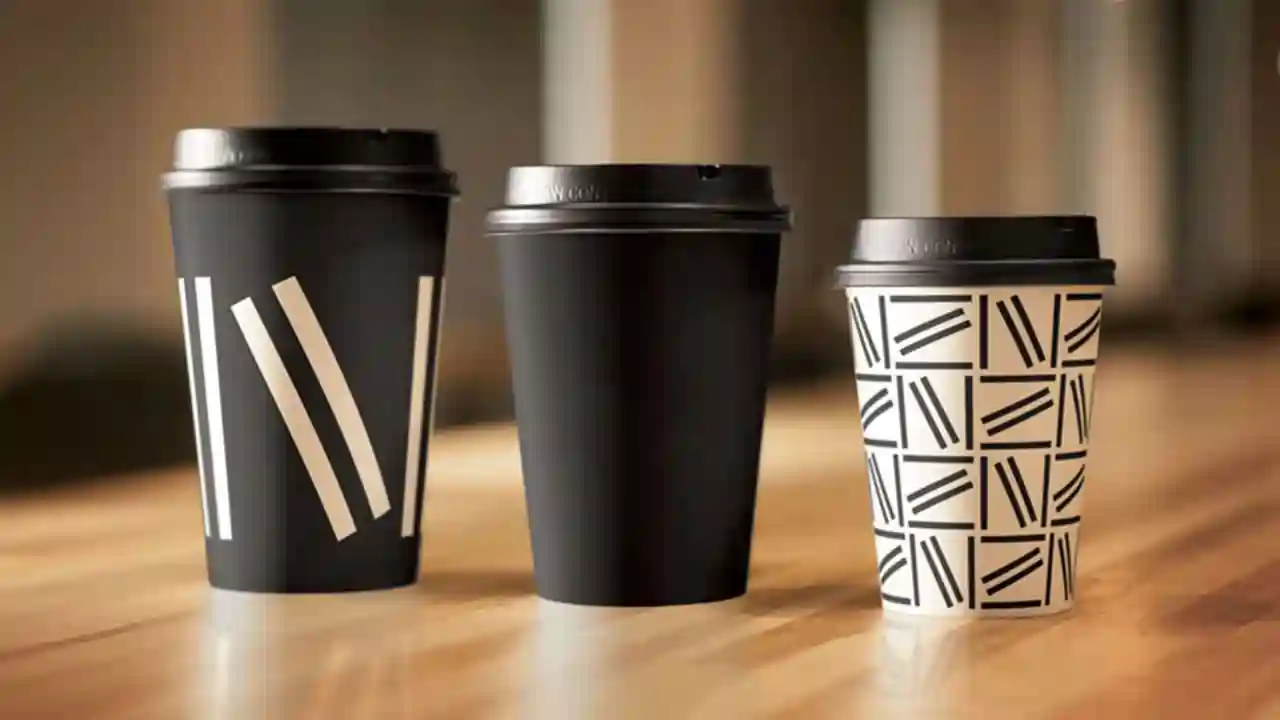
Textures play an integral role in shaping brand identity and packaging design, extending beyond mere visual aesthetics to engage the senses and communicate brand values. The tactile dimension introduced by pbr textures enhances the overall consumer experience, making it more memorable and immersive. A wood texture surface on packaging immediately captures attention and encourages interaction. This engagement establishes a deeper connection between the consumer and the product, fostering a sense of curiosity and exploration. Textures can evoke specific emotions and perceptions. A sleek and smooth texture can convey modernity and sophistication, while a rough and organic pbr texture might evoke authenticity and naturalness. By carefully selecting pbr textures, brands can subtly influence how their products are perceived.
 Materials
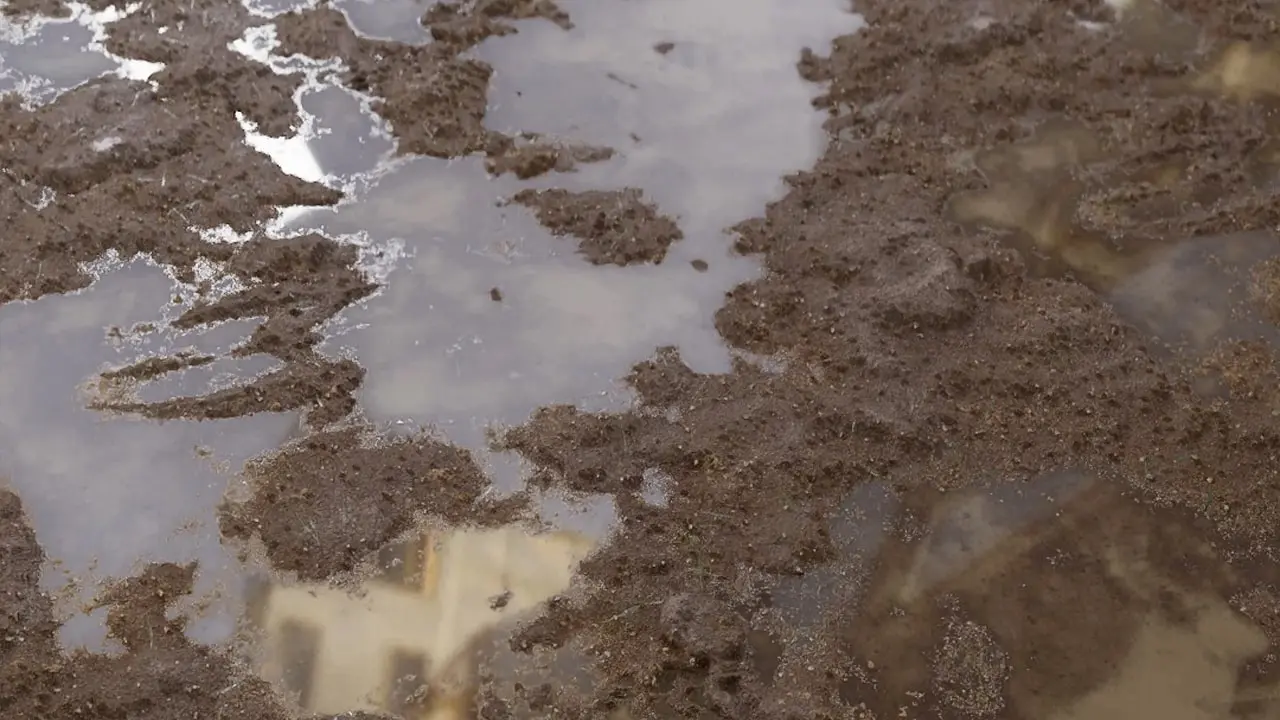
Nature has an incredible way of captivating our senses through its diverse textures and elements. Among the many wonders it offers, mud texture and soil texture stand out as an epitome of raw beauty. These humble elements, often overlooked, play a crucial role in our environment and have found their place in various fields. In this article, we will delve into the fascinating world of mud texture and soil texture, exploring their significance, uses, and charm.
 Materials
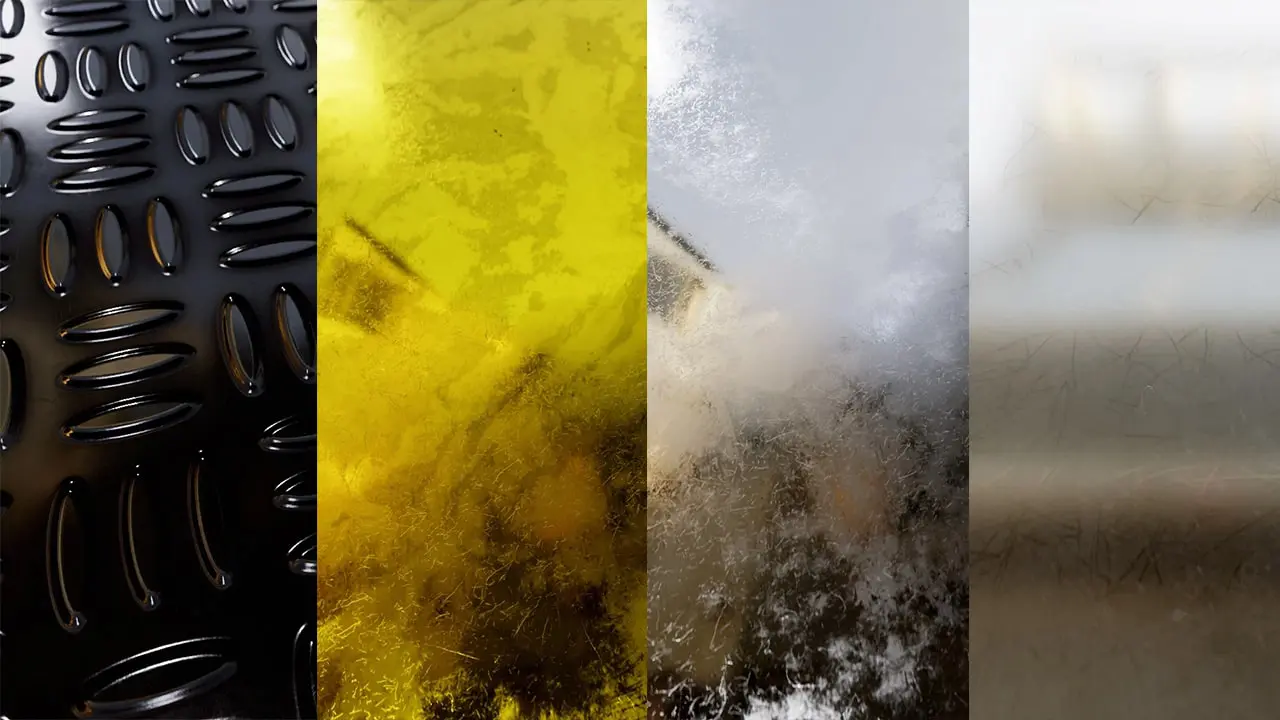
In the modern design world, there are numerous methods that combine aesthetics and functionality of different materials. However, no material can inspire artists and designers as much as the textures and surfaces that metal provides. Metal textures are used in various fields due to their unique characteristics. In this blog post, we will focus on Metal Texture and its different types, particularly Seamless Metal Texture, Brushed Metal Texture, and Gold Metal Texture, and present intriguing details about them.
 Materials
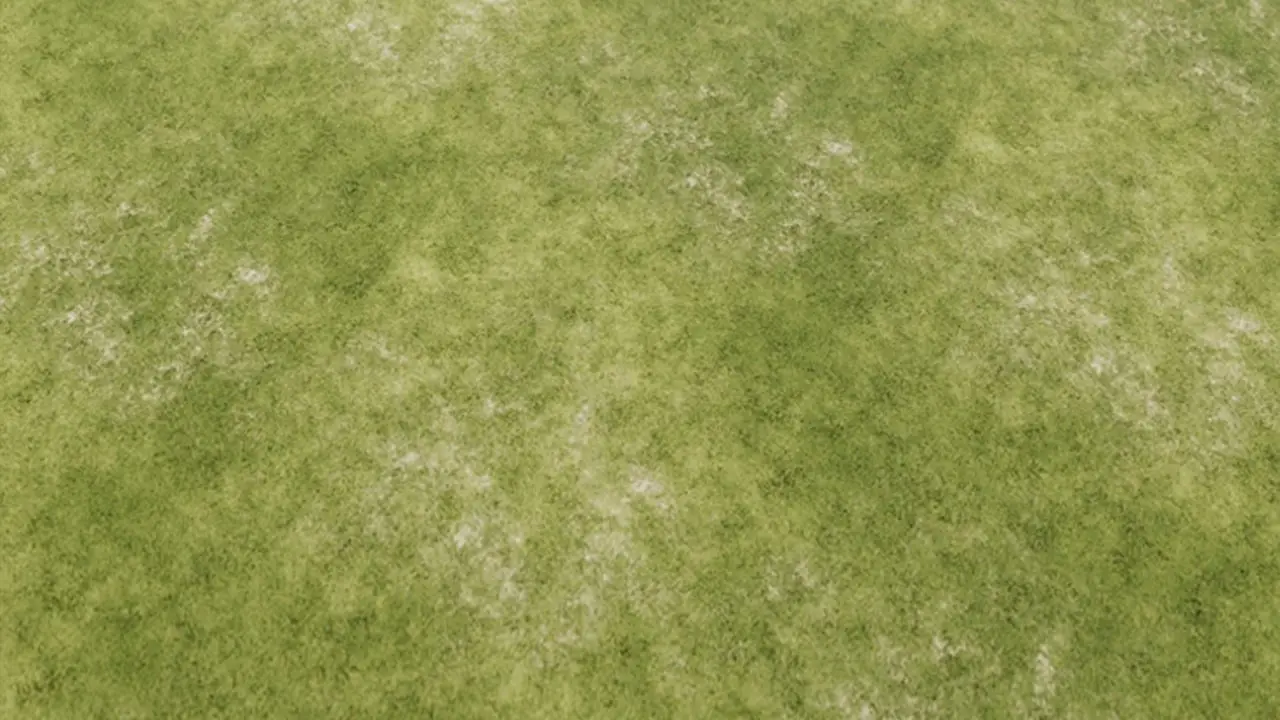
Are you looking to add a touch of nature to your designs? Look no further than these seamless grass textures. With their realistic and detailed designs, these textures will bring your artwork to life. Download them now and start creating stunning and captivating designs. Seamless grass textures are digital images or patterns that can be used in design projects to create the appearance of grass. These textures are designed to seamlessly repeat, meaning they can be tiled or repeated without any visible seams or edges.
 3D Modeling
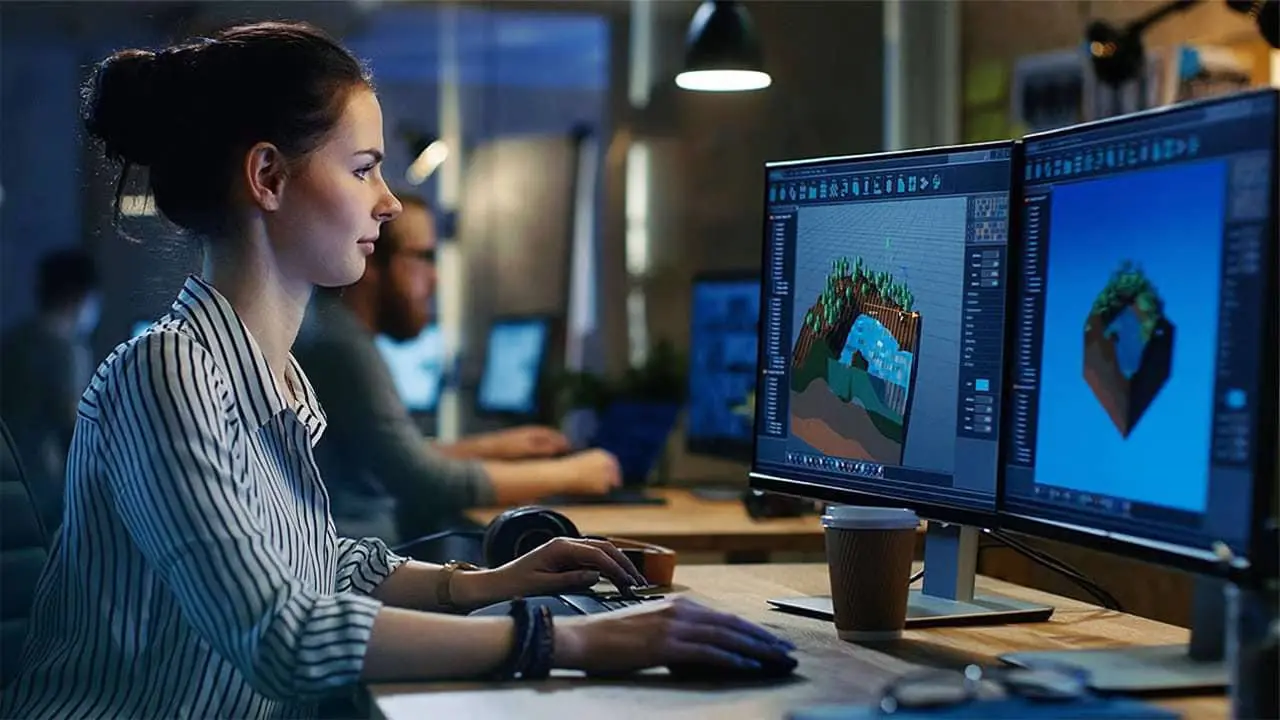
Creating realistic 3D models with texture mapping is an essential aspect of any 3D project. Texture mapping involves applying textures and materials to a 3D model's surfaces, enhancing its visual appeal and realism. By meticulously incorporating details such as color, patterns, and surface properties, texture mapping breathes life into free 3D models, 3D building models, 3D game models, and various other assets. Whether it's a detailed 3D car model or a 3D rock model, texture mapping plays a crucial role in simulating real-world textures, such as leather texture, metal texture, wood texture, or fabric texture, resulting in a more immersive and visually engaging experience.
 Materials
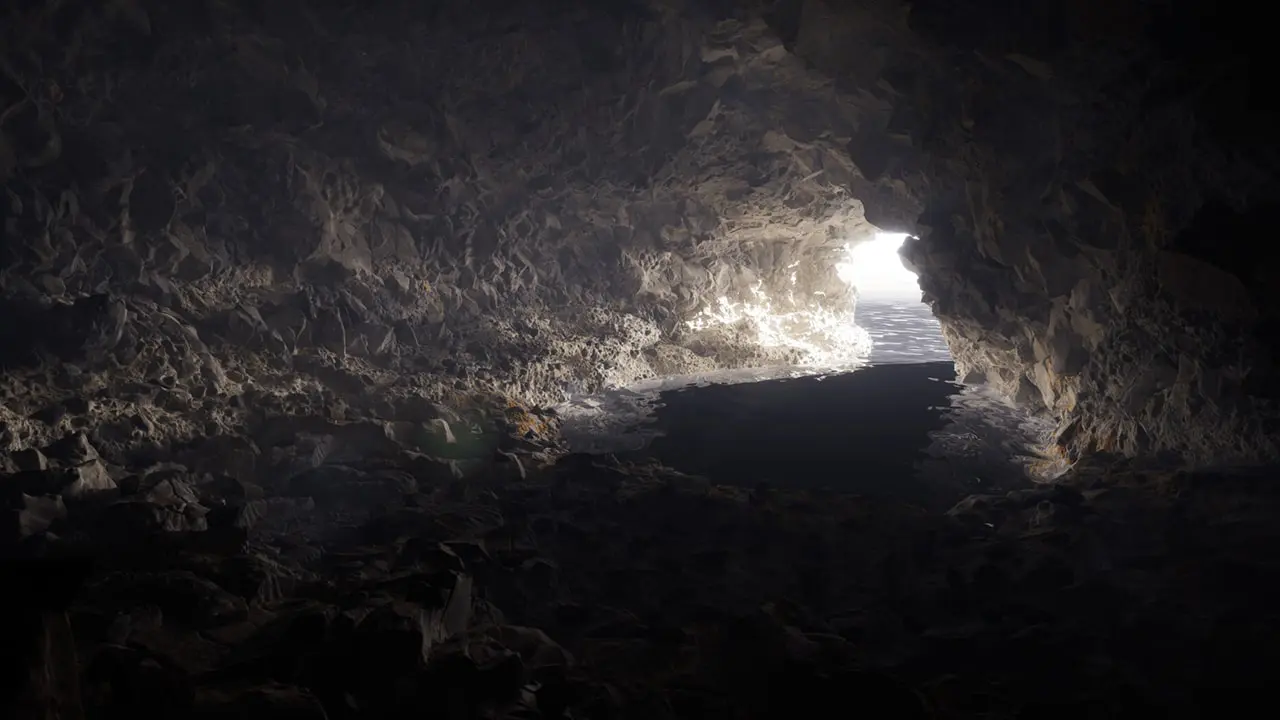
PBR (Physically Based Rendering) textures and 3D modeling are intricately connected and work together to achieve realistic and visually stunning computer-generated imagery. PBR textures, also known as texture maps, contain vital information about the physical properties of materials applied to a 3D model. These textures typically consist of several maps, each serving a specific purpose. For example, an albedo map defines the base color and reflectivity of the surface, a roughness map determines the micro surface roughness, a metallic map identifies areas that are metallic or non-metallic, and a normal map adds intricate surface details and enhances the perception of depth.
 Industry
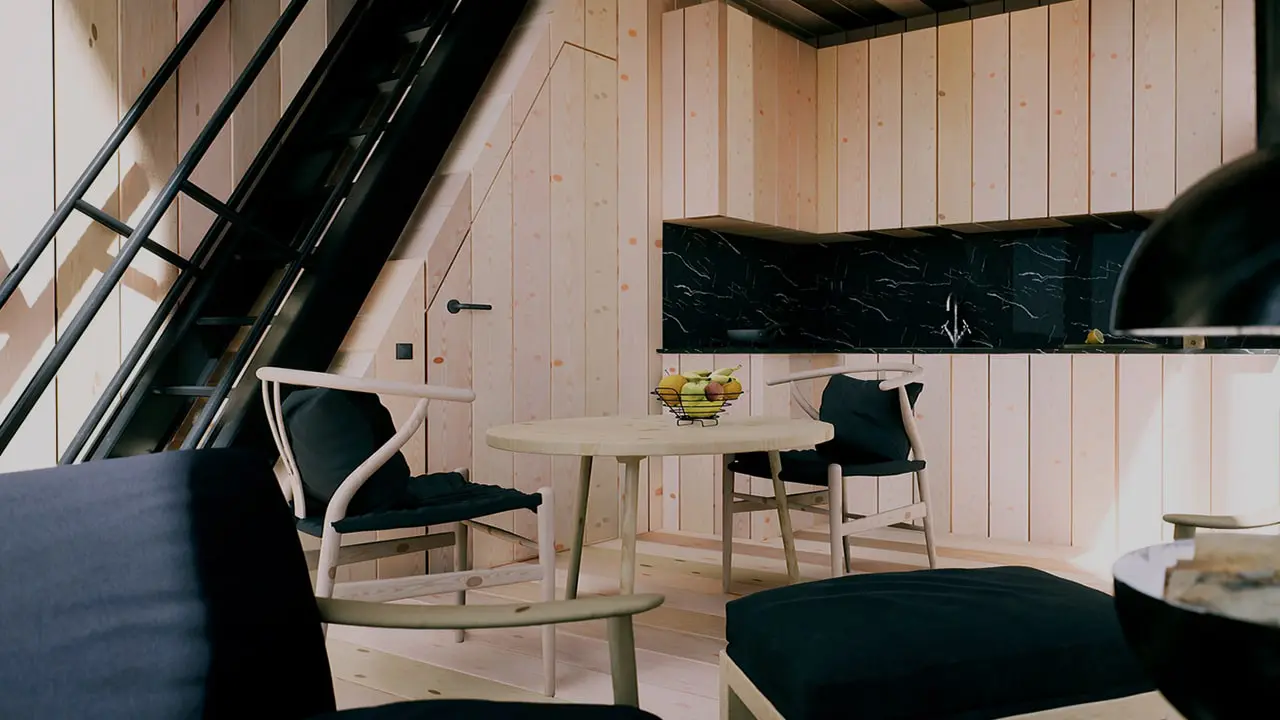
PBR (Physically Based Rendering) textures have revolutionized architectural visualization, allowing designers and artists to achieve stunning levels of realism. These textures are based on physically accurate properties such as albedo, roughness, and metallicness, enabling them to accurately mimic real-world materials and their interaction with light.