Materials are the foundation of realistic 3D scenes. This category should explain how surfaces work, how maps such as albedo, roughness, normal and displacement change the result, and how LotPixel materials can be used across Blender, 3ds Max, games, VFX and architectural visualization without turning the page into a generic texture list.
 Materials
In the world of 3D animation and modeling, achieving realistic and visually captivating results is a top priority. One crucial element in this pursuit is the use of PBR (physically based rendering) textures. These textures simulate the behavior of real-world materials, allowing for more accurate lighting and shading in 3D renders. In this blog, we will delve into the process of using PBR textures in Element 3D and how to use PBR textures.
 3D Modeling
Creating realistic 3D models with texture mapping is an essential aspect of any 3D project. Texture mapping involves applying textures and materials to a 3D model's surfaces, enhancing its visual appeal and realism. By meticulously incorporating details such as color, patterns, and surface properties, texture mapping breathes life into free 3D models, 3D building models, 3D game models, and various other assets. Whether it's a detailed 3D car model or a 3D rock model, texture mapping plays a crucial role in simulating real-world textures, such as leather texture, metal texture, wood texture, or fabric texture, resulting in a more immersive and visually engaging experience.
 Materials
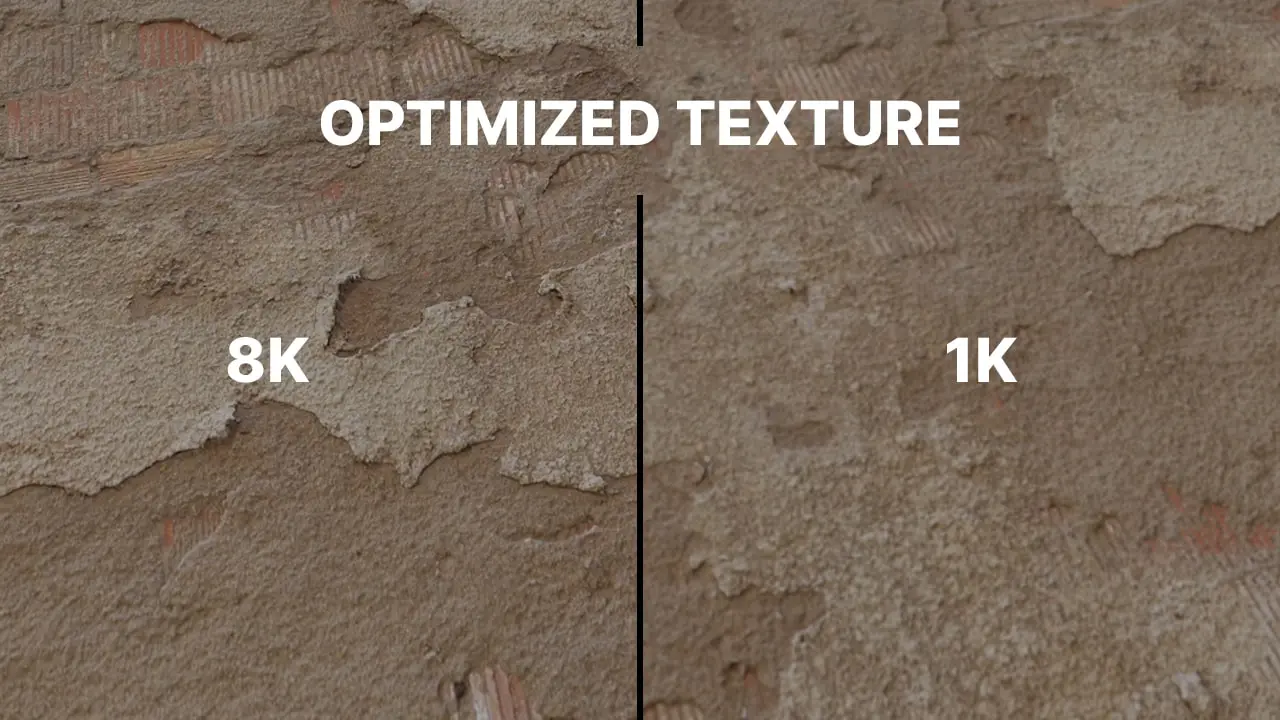
Real-time rendering has become an essential aspect of modern game development and 3D visualization, where the goal is to achieve high-quality graphics with smooth performance. Physically-Based Rendering (PBR) is a popular technique used in real-time rendering to create accurate and realistic materials for 3D objects. PBR texture plays a crucial role in achieving high-quality graphics, and optimizing them can significantly impact the overall performance of the application. In this context, understanding how to make PBR textures is crucial for game developers and 3D artists who want to create engaging and visually compelling real-time rendered scenes.
 Materials
PBR (Physically Based Rendering) textures and 3D modeling are intricately connected and work together to achieve realistic and visually stunning computer-generated imagery. PBR textures, also known as texture maps, contain vital information about the physical properties of materials applied to a 3D model. These textures typically consist of several maps, each serving a specific purpose. For example, an albedo map defines the base color and reflectivity of the surface, a roughness map determines the micro surface roughness, a metallic map identifies areas that are metallic or non-metallic, and a normal map adds intricate surface details and enhances the perception of depth.
 Industry
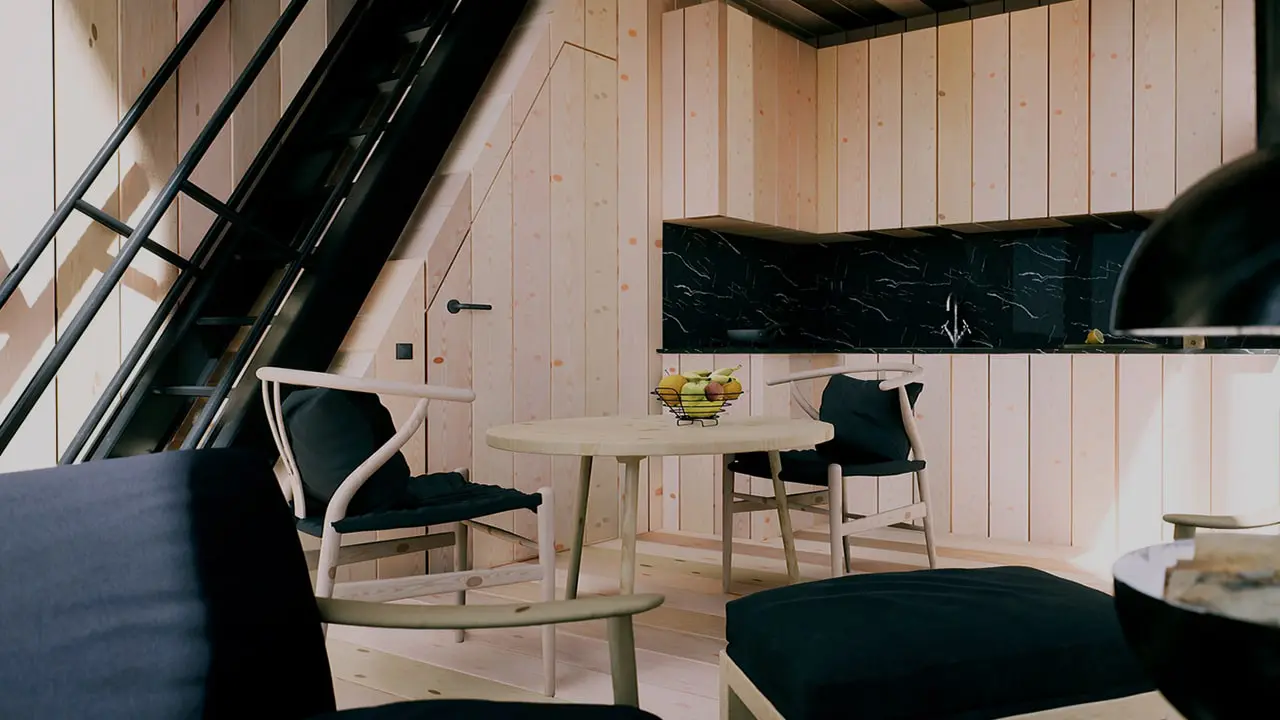
PBR (Physically Based Rendering) textures have revolutionized architectural visualization, allowing designers and artists to achieve stunning levels of realism. These textures are based on physically accurate properties such as albedo, roughness, and metallicness, enabling them to accurately mimic real-world materials and their interaction with light.
 Industry
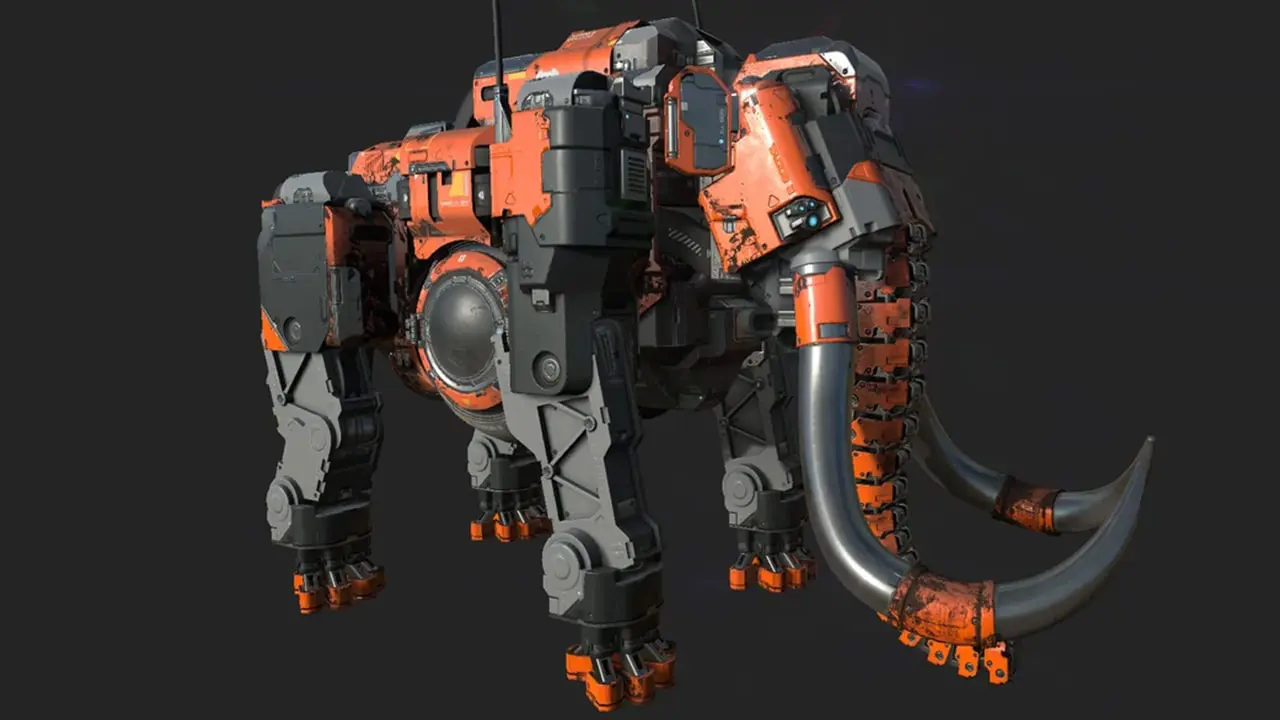
n the realm of animation production, 3D texturing plays a crucial role in bringing virtual characters, objects, and environments to life. It involves the process of applying textures to 3D models to enhance their visual appearance and make them more believable. Texturing in animation production involves creating and assigning texture maps to different parts of the 3D models, which provide detailed information about surface qualities such as color, reflectivity, roughness, and bumpiness.
 Industry
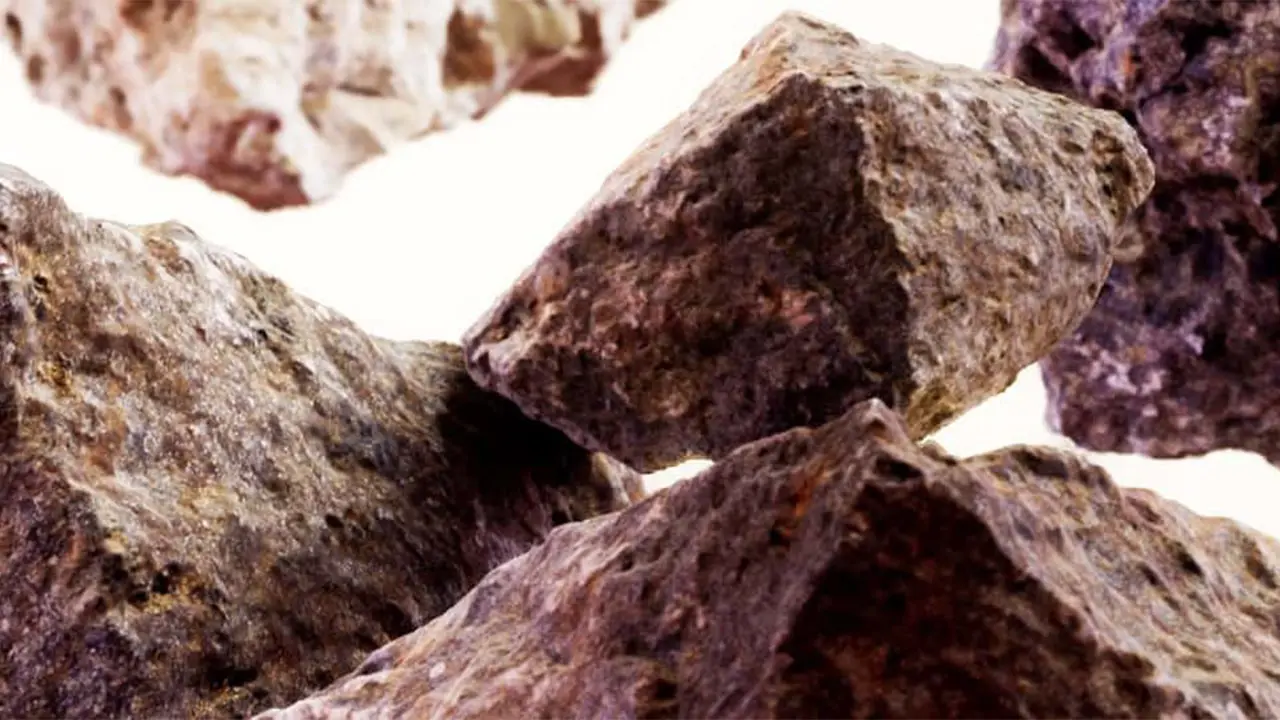
The world of architecture and design is experiencing a remarkable revolution, thanks to the transformative power of 3D modeling technology. Traditional methods of conceptualizing and presenting architectural projects, such as 2D drawings and physical models, are being rapidly replaced by virtual representations that offer unprecedented levels of detail, accuracy, and realism. Through the utilization of advanced computer graphics and visualization tools, architects and designers can now create immersive 3D models that revolutionize the way projects are planned, designed, and communicated. This paradigm shift has not only enhanced the efficiency and creativity of architectural practices but has also opened up new possibilities for collaboration, client engagement, and overall project success.
 Industry
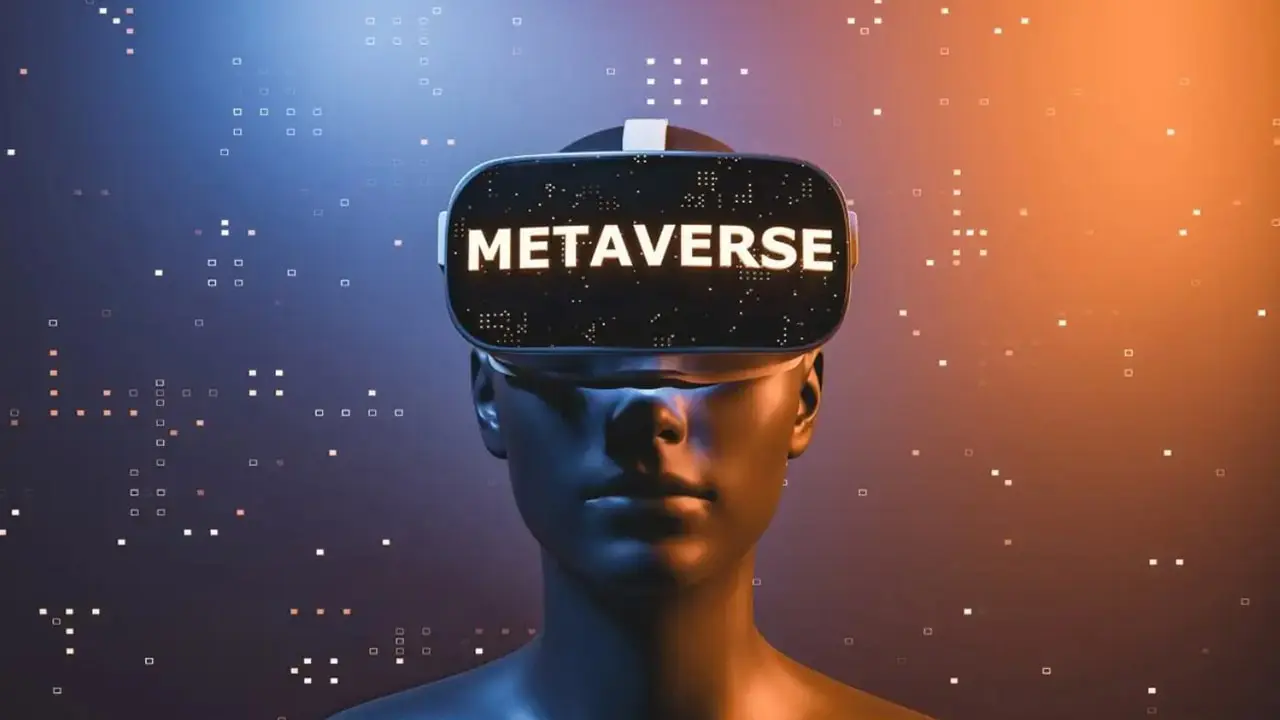
The metaverse is a virtual reality space that encompasses a wide range of interconnected digital experiences, from gaming to social interactions and everything in between. One crucial aspect of creating realistic and immersive virtual environments within the metaverse is the use of physically based rendering (PBR) textures. PBR textures are a set of image maps that simulate real-world materials and their properties, such as roughness, reflectivity, and normal maps. By incorporating PBR textures freely into metaverse applications, developers can achieve stunning visuals and lifelike materials that enhance the user's sense of presence and immersion. In this guide, we will explore such as how to effectively use PBR texture in the metaverse, and how to make PBR textures covering the process of texture creation, implementation, and optimization to create visually captivating and interactive virtual experiences.
 Materials
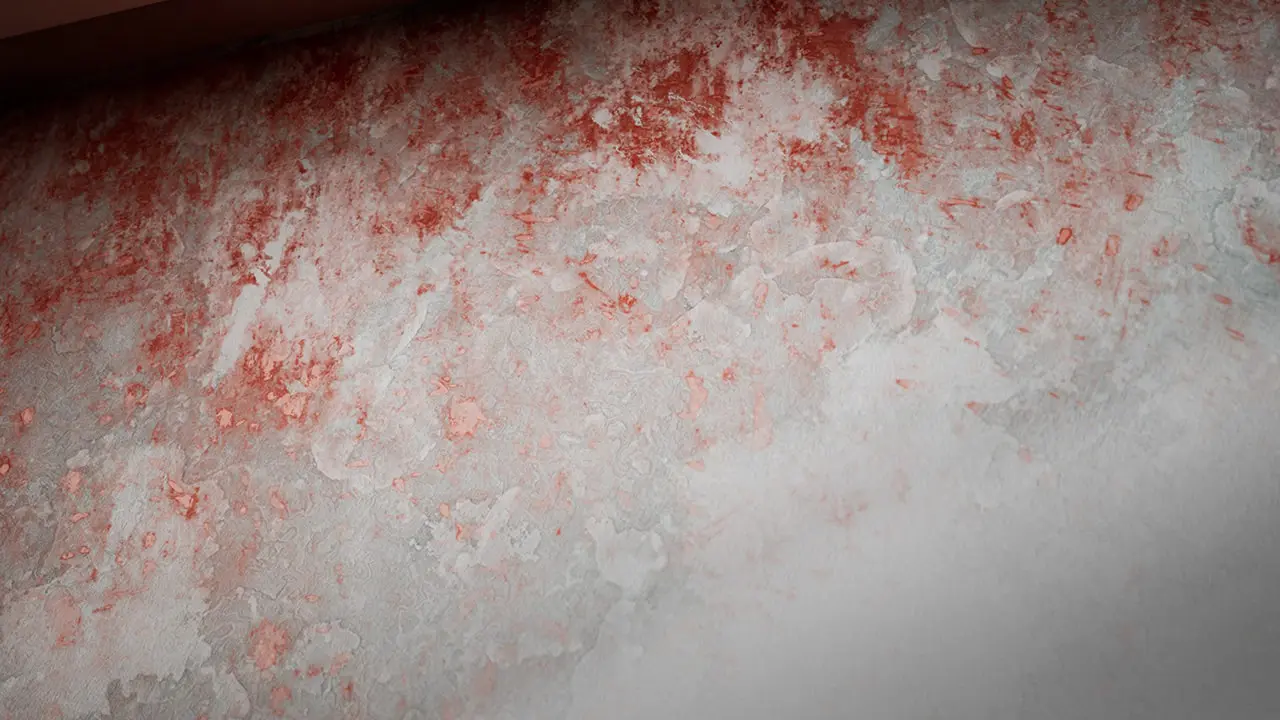
Game engines and render scenes in the digital environment use many technologies to create a realistic image. One of them is decals. decal meaning is pre-made 2D or 3D graphics that are added to the surfaces of objects, resulting in a more realistic image. Decals, which can determine the details, opacity, reflectivity, height, or colors on the surface, are converted into a map to simulate the features of the surface using techniques such as normal map, alpha mask, or height map. In this way, games or rendered scenes are made more realistic and impressive.
 Materials
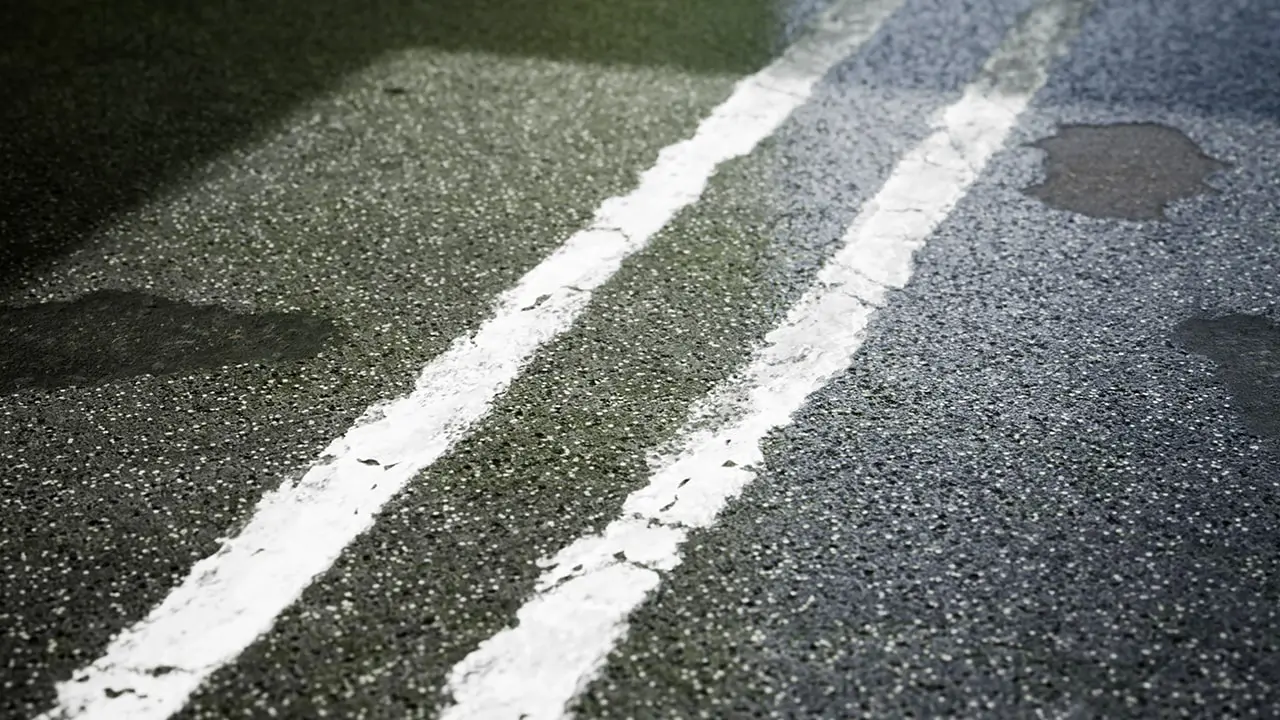
Stickers and decals are both popular methods for adding an individual touch to a kind of surface. They are frequently used to adorn cars, laptops, walls, and more. While these terms are sometimes used interchangeably, there are in fact some key differences between stickers and decal design works. Understanding these differences can help you select the best selection for your needs and understand what a decal is a question. In this response, I will clarify the differences between stickers and decals, including their materials, application methods, and durability.
 Materials
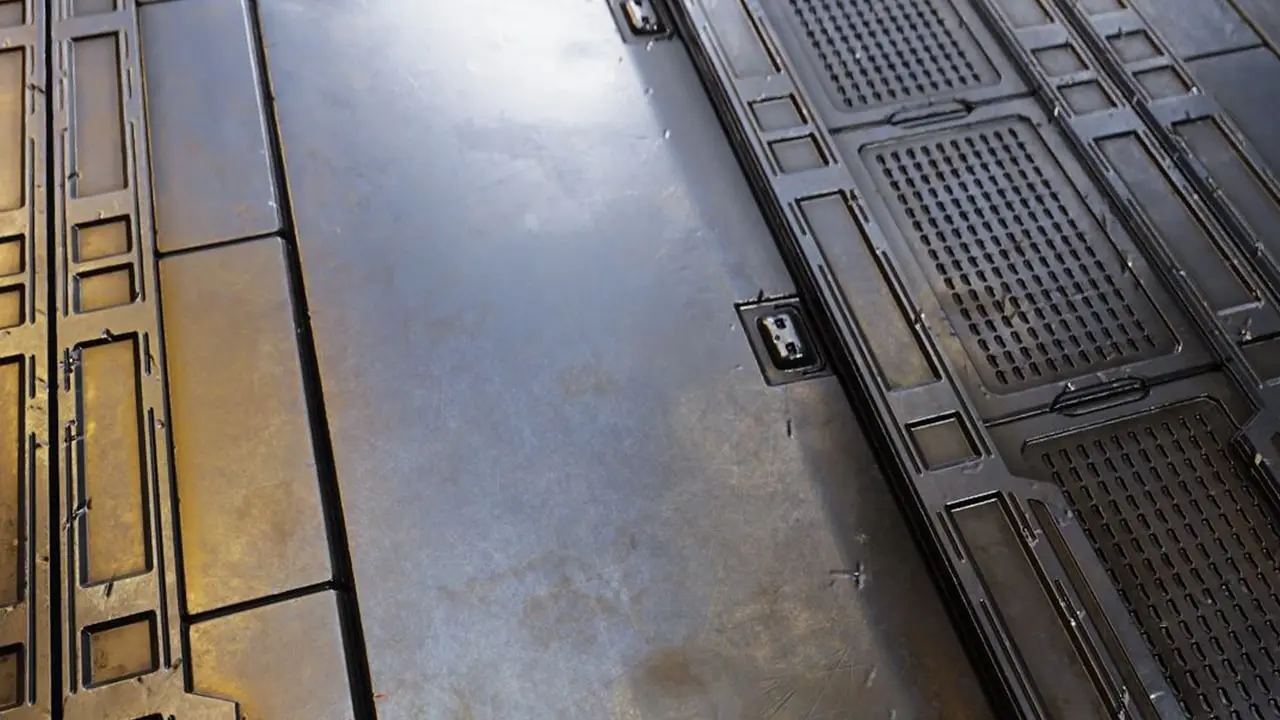
Physically-Based Rendering (PBR) textures are a contemporary way of 3D rendering that offers numerous benefits over traditional texturing methods. PBR textures simulate real-world materials, making them a main tool for creating realistic and accurate 3D models. In this context, PBR textures provide enhanced efficiency, versatility, and cost-effectiveness, making them fatal assets for designers, artists, and game developers. In this article, we will find the very benefits of using PBR textures in 3D rendering.
 Industry
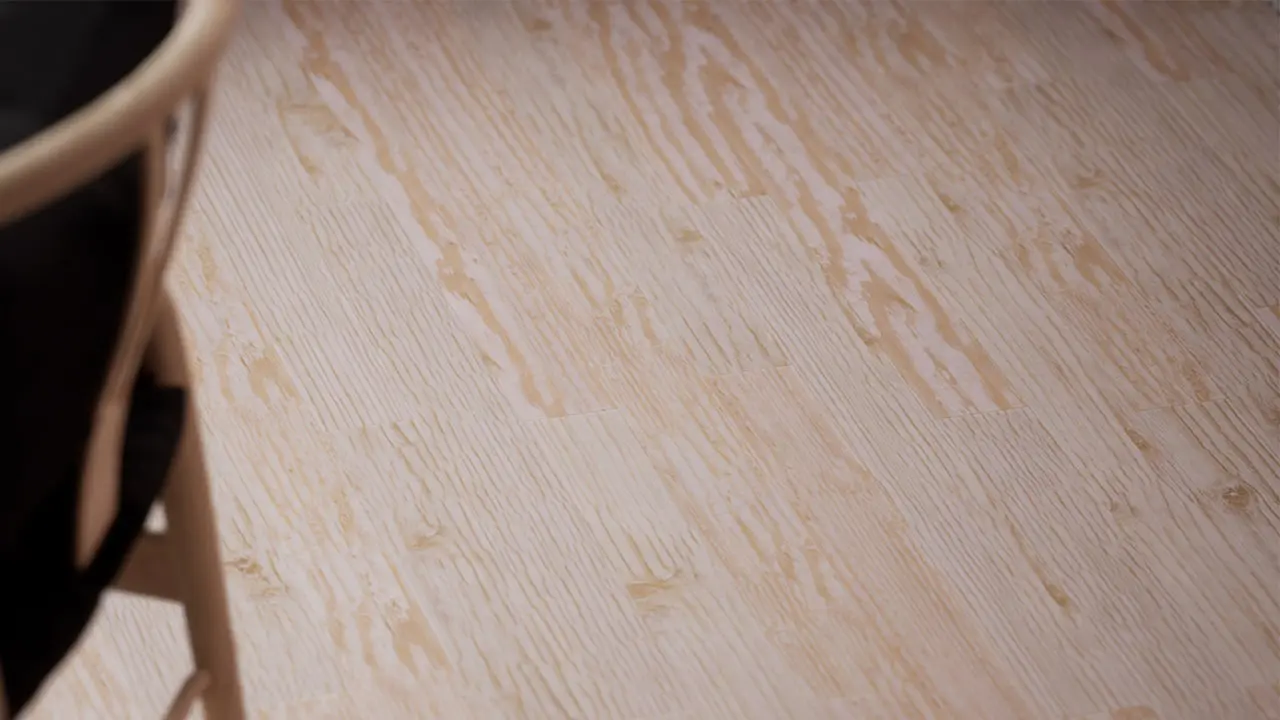
How to Use PBR Textures in Games is a topic known as Physically Based Rendering (PBR) textures have become the industry standard for creating realistic textures in video games. PBR textures utilize a set of standardized maps that copy the physical properties of a surface, such as roughness, metallicity, and environmental stoppage. Implementing PBR textures in video games requires an understanding of how to do and use these maps effectively to do realistic and visually appealing game assets. It is also significant to think about the show impact of PBR textures on the game motor and hardware requirements, as well as how they will be integrated into the game's rendering pipeline. In this answer, we will find the key considerations when using PBR textures in games, including texture work, optimization, and integration into the game engine like Unreal Engine or Unity etc.